Curious about homeschooling? Learn how it works, its benefits and challenges, costs, and how to decide if learning at home is right for your family.
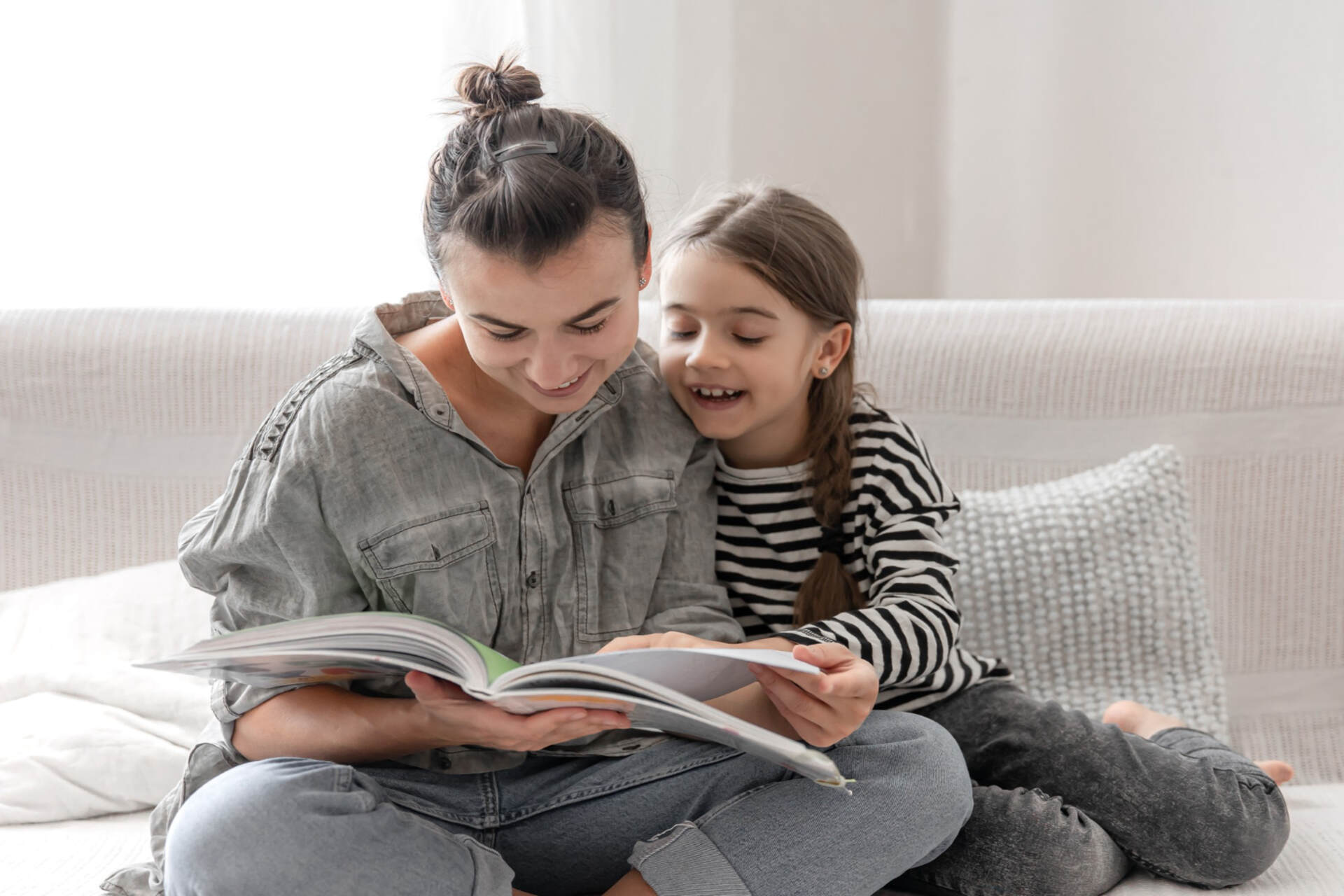
Reading is much more than saying words out loud. Many children can read a story or passage smoothly but still have trouble understanding what it means. They may finish a page but miss the main message of what they read.
The elementary years, from kindergarten through fifth grade, are an important time for building strong reading comprehension skills. During these years, children begin reading to gain information across many subjects. So you can imagine how difficult school can become when they struggle to understand and apply new knowledge.
In this guide, we’ll explore a variety of techniques you can use at home or in the classroom to help children succeed at reading. We’ll also include tips for different grade levels so you can find strategies that are appropriate for their stage of development.
The good news is that there are many simple ways to help children become stronger readers. Start with these tips:
Children may read a story from beginning to end without stopping to think about what is happening. That’s why asking questions before, during, and after reading can be such an effective comprehension strategy.
Before reading, invite your child to make predictions. Ask, “What do you think this story will be about?” while looking at the title, cover, or illustrations.
As the story unfolds, pause occasionally to check whether they understand. Use questions like, “What just happened?” or “What do you think will happen next?” to encourage them to process the information they are reading.
When they finish reading, ask them to tell you about the story in their own words. They don’t need to remember every detail, but they should be able to explain the main events.
Strong readers tend to read a book as if they are watching a movie in their minds. As they move from page to page, they can picture the events unfolding before them.
However, not all children automatically visualize while reading. They may be able to read the text fluently but struggle to use their imagination. That’s where visualization can help.
Imagine a child reads the sentence:
“A muddy golden retriever raced through the park, splashing through puddles while chasing a bright red ball.”
Instead of moving on to the next sentence right away, ask, “What do you see in your mind?” One child might picture a huge dog covered in mud. Another might imagine water flying everywhere as the dog runs.
You can find out whether a child truly understood what they read by asking them to retell it in their own words.
When asking a child to retell a story, it helps to focus on the beginning, middle, and end. It’s a simple structure that gives them a framework to follow.
After finishing a story, ask them:
Some children will be able to retell a story with very little support, while others may need prompts along the way. That’s perfectly normal.
This strategy is especially valuable because it strengthens both memory and sequencing skills. Children must remember important events and place them in the correct order.
Learning to identify the main idea and key details is such an important reading comprehension skill.
Explain to your child or students that every story or passage has a “big idea.” The main idea is what the text is mostly about, while the key details are the pieces of information that support that big idea.
Take, for instance, a passage about bees and how they help plants grow.
A child might remember that bees are yellow and black, and live in colonies. While those details are interesting, they aren’t the most important takeaway from the passage. The main idea is that bees help pollinate plants. The other facts simply support that larger idea.
One reason some children struggle with comprehension is that they expect every answer to be written plainly in the text. In reality, authors may leave little gaps for readers to fill in themselves.
That’s why teaching inference is so important. It helps children realize that reading is about using clues and thinking critically.
A helpful way to explain this is: Text clue + what I know = inference
For example, imagine a story that says, “Jake zipped up his coat, pulled on his gloves, and shivered as he stepped outside.” The author never directly states that it is cold. However, most children know that people wear coats and gloves when the weather is chilly.
Graphic organizers give children a visual way to organize information. They allow kids to see relationships, events, and ideas laid out in a clear and structured format.
A story map is a common example. helps children identify important story elements such as the characters, setting, problem, and solution.
For nonfiction texts, a cause-and-effect chart can be useful. Children record an event or action in one column and its result in another. With this tool, they can understand why certain things happen.
The reason these graphic organizers work so well is that they make abstract ideas more concrete. Many children find it easier to understand information when they can see it visually rather than processing everything through words alone.
Try imagining a child reading a passage about volcanoes, but they don’t know what words like magma, crater, or eruption mean. Even if they can read every word correctly, understanding the passage will be much more difficult.
A simple way to prevent this problem is to preview a few important words before reading begins. Also, keep your explanations simple and natural.
For example, if the word “eruption” appears in a passage about volcanoes, you don’t need to provide a formal dictionary definition. You can simply tell your child, “An eruption is when a volcano bursts out with lava, ash, and gases.”
If you’ve ever worked with children across multiple grade levels, you’ve probably noticed that reading comprehension looks very different at each stage.
The following grade-level suggestions can help you target skills that are developmentally appropriate:
Even when children can read fluently, comprehension challenges can still arise. Thankfully, these difficulties are linked to specific skills that can be improved with your support.
A child may read a passage smoothly and accurately, but when asked about it afterward, they can’t explain what happened.
In many cases, the issue is making meaning from words. They may become so focused on reading the words correctly that they don’t spend enough time making sense of them.
A simple solution is to slow the reading process down. Ask them to pause every few paragraphs to discuss what they’ve just read. It helps to ask questions like, “What just happened?” or “Can you tell me what this section was about in your own words?”
Another common concern is when children finish reading a page or passage and seem to forget it almost immediately. In many cases, children are simply taking in more information than they can comfortably remember all at once.
Why not break the reading into smaller chunks? Encourage your child to pause after a few paragraphs or pages rather than reading an entire chapter in one sitting.
Sometimes children give answers that sound reasonable, but those answers aren’t actually supported by the text.
Say, for instance, a story describes a character with tears in their eyes. When asked how the character feels, a child immediately answers, “They’re sad.” However, tears can also be caused by happiness, frustration, or even laughter.
You can solve this by using evidence-based reading. In simple terms, children should be able to explain where they found their answer and what clues in the passage led them to that conclusion.
Regular reading is important, but comprehension develops when children actively engage with a text. They need opportunities to reflect on what they have read.
As a parent or teacher, remember that improving comprehension doesn’t require perfect lessons or hours of extra practice.
Start with small steps like asking questions, talking about a story, or having children retell what they read. Most importantly, maintain a positive reading experience. This can go a long way toward developing lifelong readers!
Curious about homeschooling? Learn how it works, its benefits and challenges, costs, and how to decide if learning at home is right for your family.
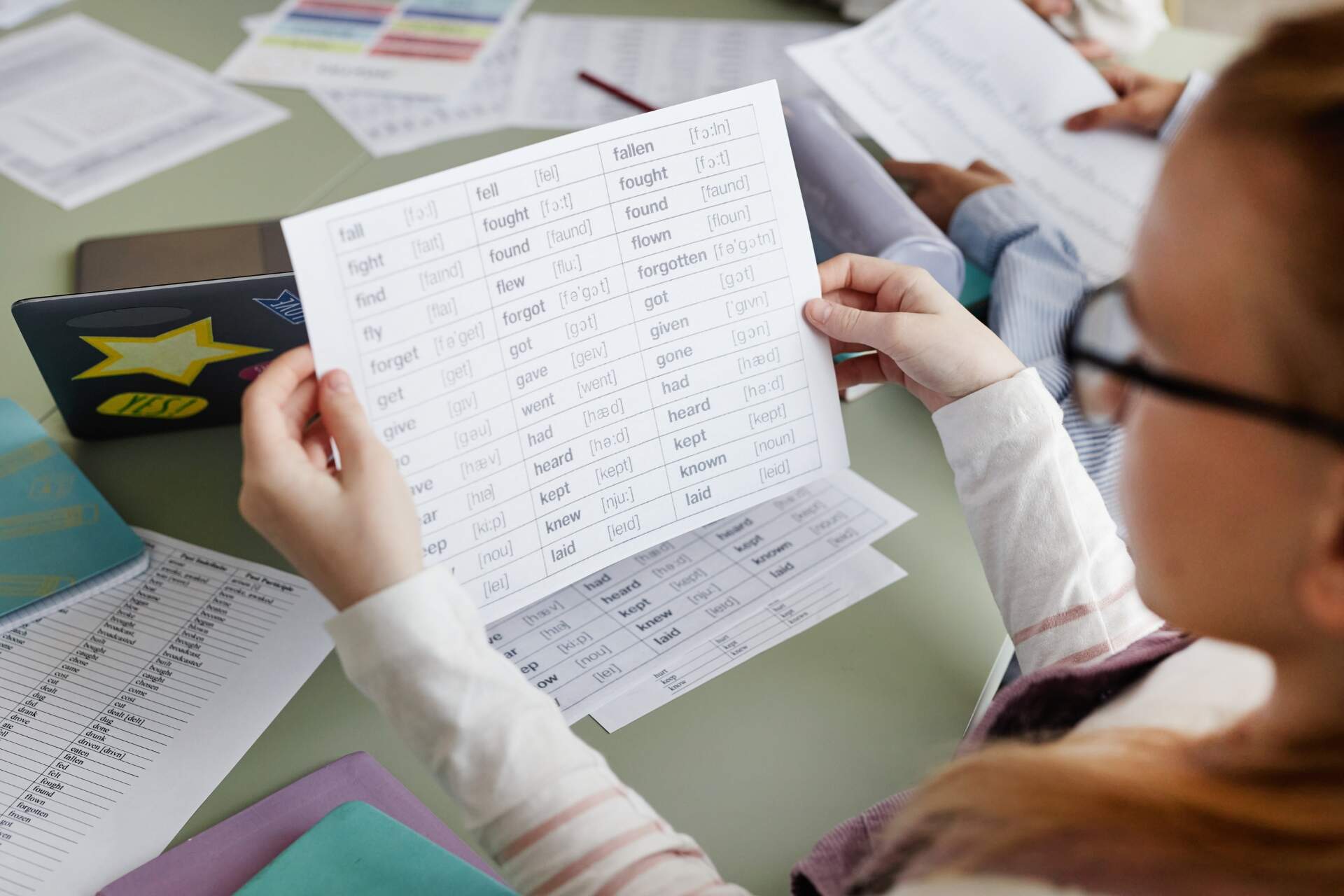
Help kids understand verbs with simple explanations and fun examples they’ll remember.
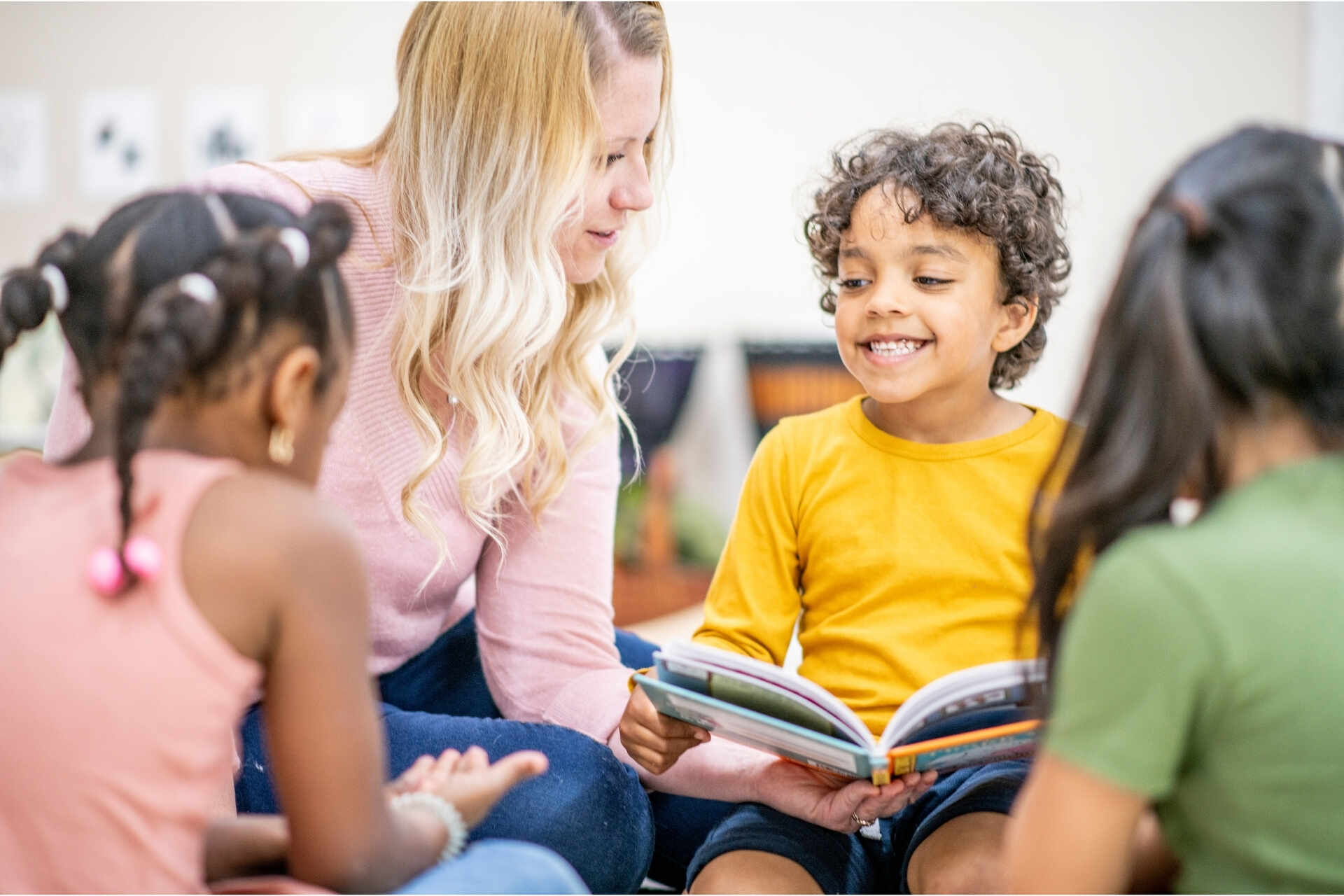
Want to help your child enjoy reading more? Try these easy ways to make story time more interactive, creative, and lovable.
Help kids master capitalization with the M.I.N.T.S. rule, and other essential capitalization rules.
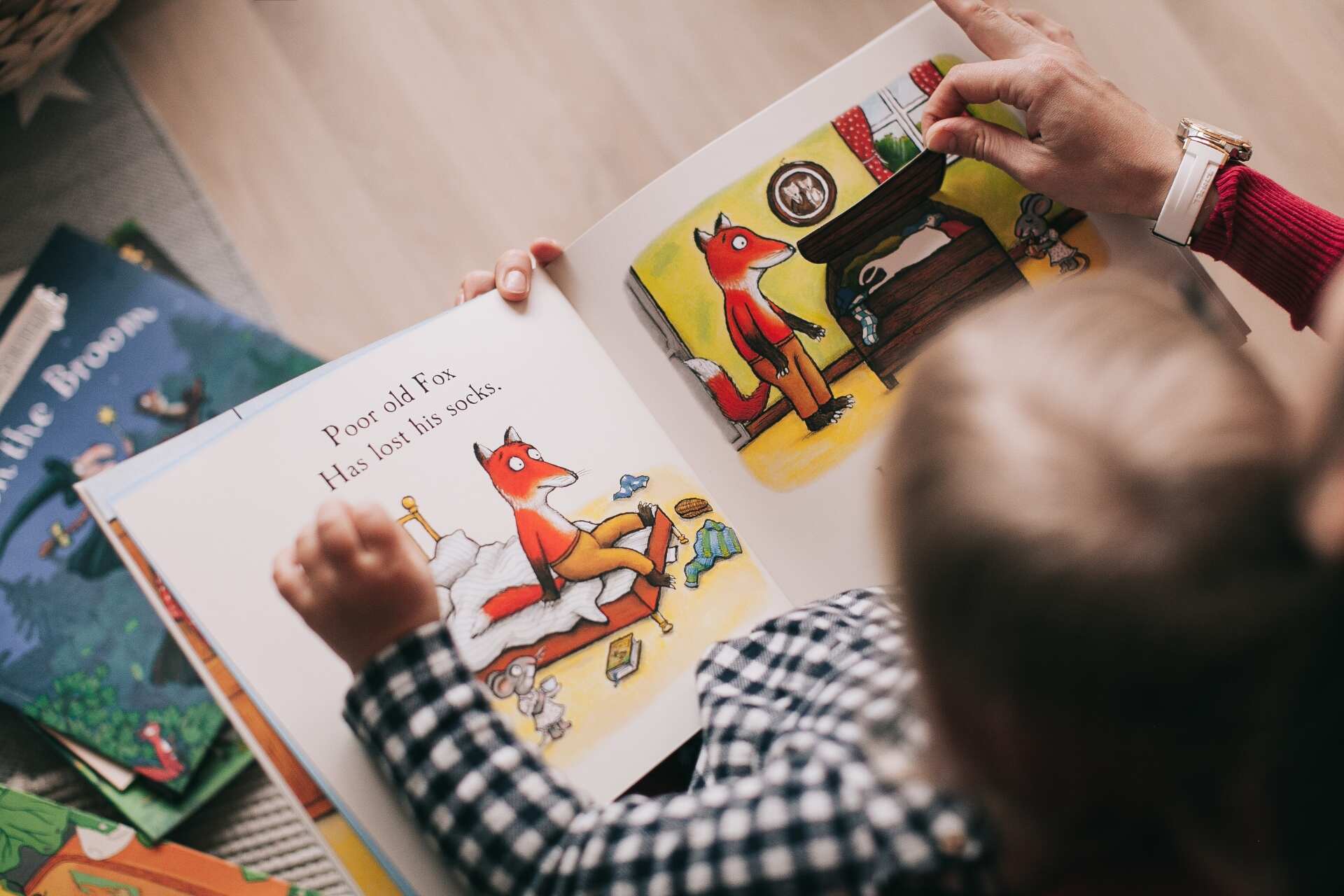
Help your child master nouns with easy explanations of common, proper, concrete, abstract, and other types of nouns, plus everyday examples.