
Turn family movie night into a learning experience with these 8 math movies for kids.
Some children naturally gravitate toward math. They seem to understand concepts quickly and genuinely enjoy working with numbers, just as every child has their own unique strengths and interests.
But whether math comes naturally to a child or not, it remains an important part of everyday life. We use math in almost everything we do, from telling time and counting money to cooking, shopping, measuring, and solving simple daily problems. These skills continue to matter as children grow older and become more independent.
The good news is that math does not need to feel stressful or overly formal during the preschool and kindergarten years. In fact, these early years are the perfect time to build number sense or teach them how to count through playful experiences.
In this article, we’ll explore fun and age-appropriate math activities that can help young learners strengthen early math skills.
There are essential math concepts for kids ages 3–6 that can greatly benefit their early learning and development. If your child is within this age range, you can begin introducing these ideas even at home.
Number sense is an important one. It is a child’s natural ability to understand and work with numbers. This includes recognizing quantities, identifying which numbers are bigger or smaller, comparing groups of objects, and noticing simple patterns.
Counting is also an important early math concept. Children learn that numbers represent actual amounts in daily life. They may count how many cookies are on a plate, how many toys are in a box, or how many steps it takes to walk upstairs.
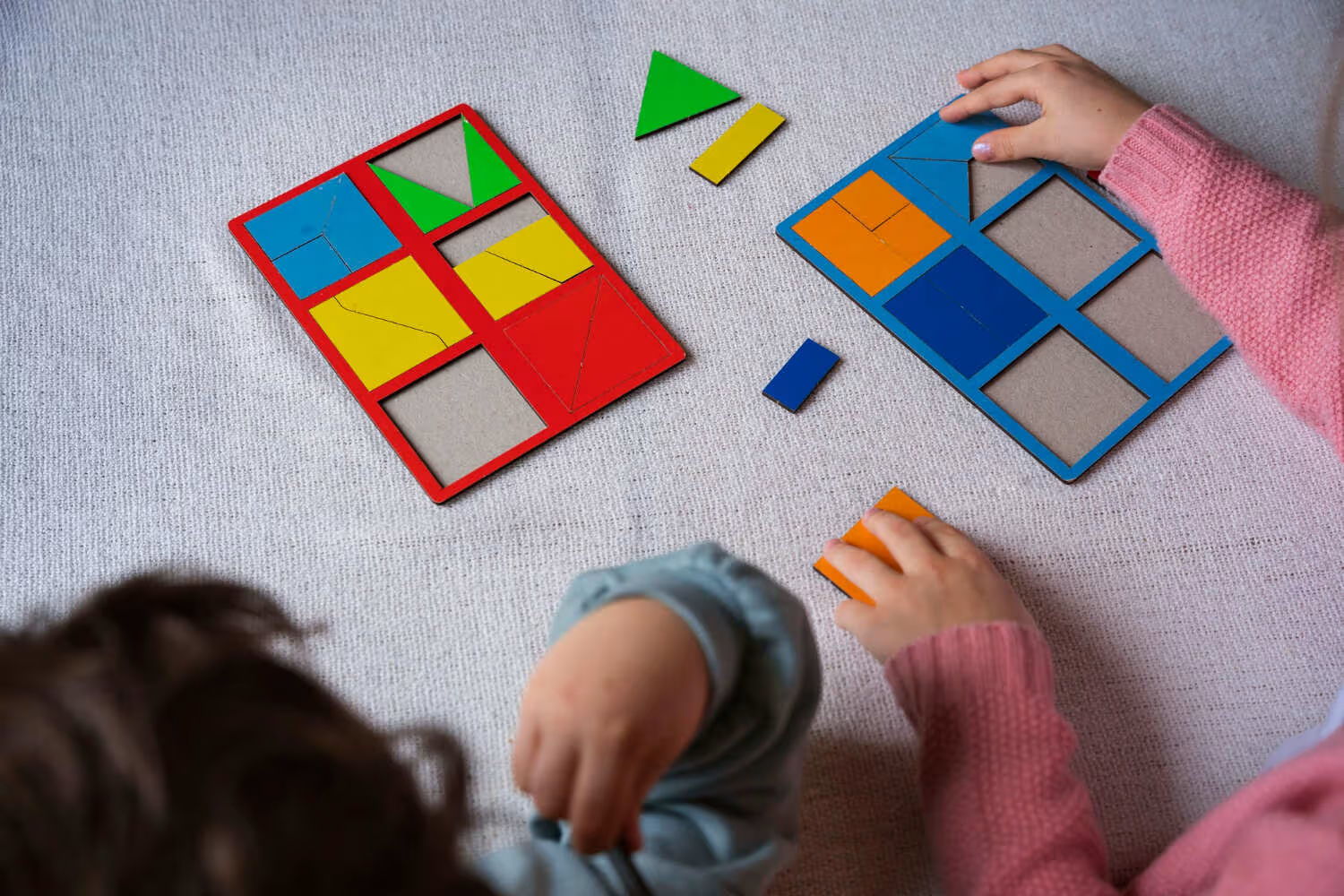
Kids also benefit from learning about different shapes, such as circles, squares, triangles, rectangles, and stars, and how they appear in the world around them.
Measurement matters too, but it does not need to involve rulers right away. Kids start learning measurement simply by comparing objects around them, such as which cup holds more water or which stuffed animal is bigger.
Kids can also be exposed to simple addition and subtraction concepts to help develop early problem-solving skills. At this stage, the focus is to understand the idea behind adding or taking away.
What’s great about these early math concepts is that there are many simple activities that can support them. Keep in mind that learning should feel fun and enjoyable for young children, not stressful. That’s why we chose playful and hands-on activities.
Discover them below and feel free to incorporate them into your home or classroom if you teach young kids.
It doesn’t matter if you’re looking to help your preschool child or students practice counting, sequencing, shape recognition, measurement, or other early math concepts. As you’ve learned, there are plenty of fun and simple math activities you can try.
We recommend starting with simple activities that match your child’s current interests and developmental level. Don’t try to teach everything at once, as too much at the same time can feel overwhelming for young children.
Good luck, and have fun learning together!
Turn family movie night into a learning experience with these 8 math movies for kids.

Make math exciting with board games that teach math through play! This list of top picks includes fun, age-appropriate options for kids 3 and up.

Discover 30 best math books for kids ages 2-12. Find books about counting, shapes, operations, patterns, logic, and more.

Learn what math anxiety is, how to spot the signs, and ways to help your child feel more confident with math.
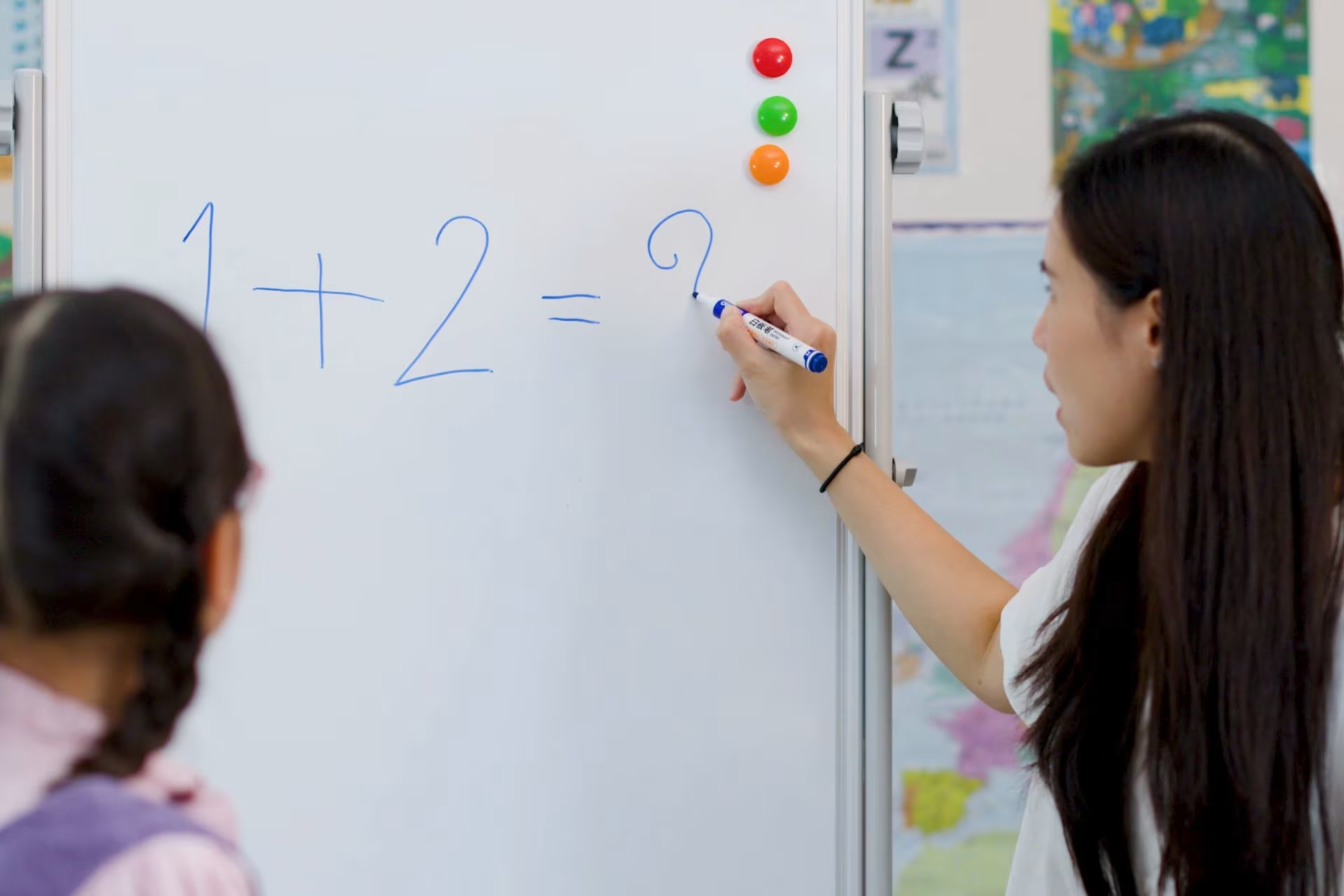
Addition and subtraction build the foundation for future math success. Learn when kids develop these skills and get fun, everyday practice ideas.