Curious about homeschooling? Learn how it works, its benefits and challenges, costs, and how to decide if learning at home is right for your family.
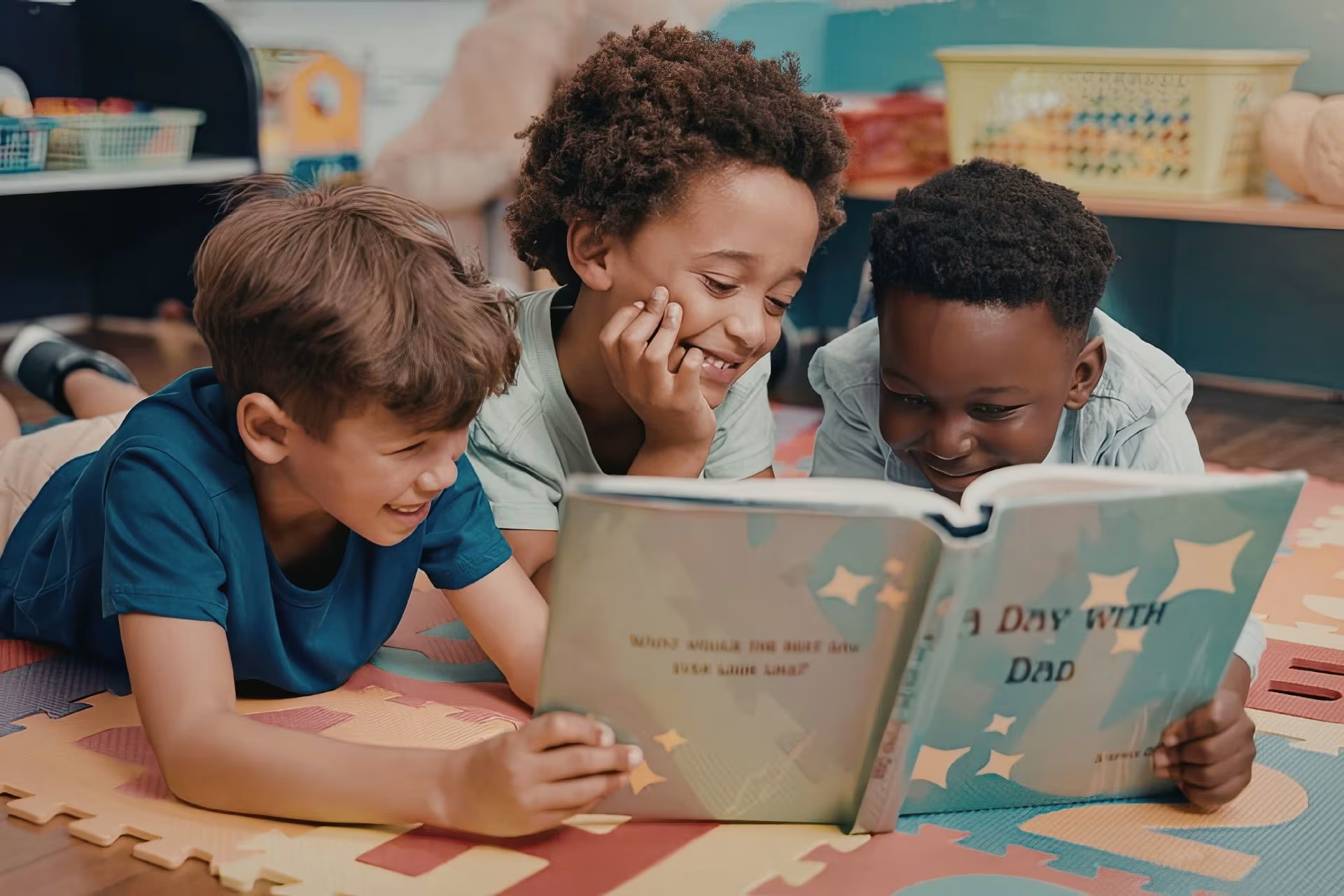
Reading is one of the most important skills a child can learn. It opens the door to new ideas, adventures, and knowledge, and it helps kids succeed in school and in life. But when exactly do children start reading, and what can you expect as they learn?
Many parents are surprised to learn that reading begins long before a child can recognize letters or words. Even babies start building early reading skills. They learn by looking at pictures, listening to stories, singing songs, and hearing people talk.
In this article, you’ll learn about the key stages of reading development. You’ll also discover signs that your child is ready to read and simple ways to support them as they become independent readers.
Every child’s reading journey looks a little different, but there are common stages most children move through as they grow. Reading doesn’t happen all at once. It’s a gradual process that starts long before a child sounds out their first word.
Here’s a breakdown of what you can typically expect:
At this age, children aren’t “reading” yet, but they are already building important pre-reading skills. Babies enjoy looking at colorful pictures, listening to the rhythm of stories, and turning the pages of board books (even if it’s out of order!).
For example, a toddler might point at a picture of a dog when you say “dog,” showing that they’re beginning to connect words with images.
Preschoolers often pretend to “read” by retelling parts of a story they’ve memorized or by making up their own as they flip through a book. They may start recognizing familiar logos (like the McDonald’s “M”) or naming some letters of the alphabet. Rhyming games, songs, and storytime at this age help strengthen their awareness of sounds and words.
This is often the stage when children officially start learning to read. Kindergarteners and first graders typically begin sounding out simple words like cat, dog, or hat.
They can also recognize some sight words, such as the and and. Many kids at this stage enjoy short picture books with repetitive text, which helps them build confidence and fluency.
By second or third grade, children are able to read longer sentences and short chapters with greater understanding. They begin to move from “learning to read” toward “reading to learn.” For example, they can read a short nonfiction passage about animals and then explain what they learned.
A child might read a page about how penguins keep warm in the cold and then tell you, “They huddle together so they don’t freeze.”
Around fourth grade and beyond, many children become more independent readers. They can handle chapter books, novels, and informational texts on their own. At this stage, reading becomes a tool for learning about new subjects, expanding vocabulary, and building critical thinking skills.
For example, a 10-year-old might read a book about space or history. They may then ask questions, make connections, or share what they learned with others.
Some signs can show that your child is getting ready to learn to read. Watching these early skills develop is exciting. You may notice your child becoming more curious about books, letters, or words. These moments are a great opportunity to introduce simple reading activities.
Children may ask you to read their favorite story again and again or pretend to “read” by flipping through pages. They might also point out letters they see on signs, cereal boxes, or in their environment.
A child who is ready to read begins to understand how books work. They know how to hold a book right-side up, turn the pages from front to back, and follow along as you read.
They may also point to pictures, notice that you read from left to right, and understand that the printed words tell the story, not just the pictures.
These early book-handling skills are an important part of learning to read.
Curious kids often want to know what certain words mean or why something happened in a story. For example, after hearing a story about a lost puppy, a child might ask, “Why was the puppy sad?” This shows they’re starting to connect spoken words with ideas.
Many children begin by recognizing the first letter of their name. For example, a child named Mia might proudly spot the letter “M” wherever they see it.
Over time, they start learning more letters of the alphabet. They may point out familiar letters on signs, cereal boxes, or in their favorite books. Recognizing letters is an important early reading skill because children must first know letters before they can connect them to sounds and words.
Kids who are ready to read often love rhyming games, songs, and silly word play. If you say “cat,” they might quickly respond with “hat” or “bat.” This shows they are developing phonological awareness, an important skill for sounding out words later.
While every child develops at their own pace, the ideal age to begin teaching reading is generally around ages 5 to 6, when most children are in kindergarten or first grade. At this stage, many kids can recognize letters, understand basic sounds, and start sounding out simple words.
Some children may show readiness earlier, around ages 3–4, by showing interest in letters, books, and rhymes. Others may take a little longer. That’s completely normal.
The best approach is to follow your child’s interests and make reading fun and encouraging.
Children don’t all become readers at the same age. Some pick up reading quickly, while others need extra time and practice. Several factors can influence when a child is ready to read.
Children grow and learn differently. Some may recognize letters and sounds early, while others take more time to develop these skills. Reading readiness depends on a combination of cognitive, language, and motor development, so it’s important to respect each child’s unique pace.
Children who grow up in a reading-rich environment often develop literacy skills earlier. Regular exposure to books, storytelling, and conversations about letters and words helps children build vocabulary and understand how reading works.
Even simple daily activities, like reading labels or menus together, can make a difference.
A child’s curiosity and interest in books can have a big impact on learning to read. Children who enjoy looking at books, listening to stories, or asking questions about words are often more motivated to practice reading.
They may pretend to read, point out letters they recognize, or ask someone to read the same book again and again. It’s this natural enthusiasm that makes reading practice feel fun instead of like a chore.
Consistent guidance from adults helps children develop reading skills more confidently. Parents and teachers who model reading, provide opportunities to explore books, and gently correct mistakes create a supportive environment that fosters learning and enjoyment.
Now that you understand the key factors that influence reading readiness, the next step is discovering practical ways to support your child’s reading skills at home.
Encourage reading by making books and other reading materials easily accessible at home. This means having a variety of age-appropriate books, magazines, and even comic books within reach so your child can explore them anytime.
You can set up a small bookshelf in their bedroom, keep a basket of picture books in the living room, or have a selection of board books for younger children. The more children see and interact with reading materials daily, the more likely they are to develop curiosity and a love for reading.
Choose books that match your child’s interests and reading level, and let them have a say in which books they want to explore. Set up a cozy reading corner with pillows, good lighting, and easy access to books, so that reading can feel like a special activity rather than a chore.
You can also incorporate age-appropriate reading worksheets or activities that reinforce letters, sounds, and words in a playful way!
You can encourage reading as a natural part of everyday life without putting pressure on your child. Let them carry a book in the car, during waiting times, or even to the grocery store, so they can explore it whenever they have a few spare minutes.
Reading labels, recipes, signs, or simple instructions together also helps children see how reading is useful in real life. These are small, consistent experiences that can make reading feel normal and fun.
Children are more likely to enjoy reading when they see adults valuing it too. Model reading by spending time with books yourself and reading aloud to your child regularly. Explore new picture books, magazines, or story collections together to keep things fresh and exciting.
You can also introduce other reading resources, like audiobooks or age-appropriate e-books, to show that reading comes in many forms.
Children develop at different rates, but with attention to readiness signs and plenty of engaging reading experiences, they can progress through each stage successfully. The right balance of skill-building and enjoyment helps create kids who are excited to explore books.
Most children reach fluency between ages 7 and 9, typically in second or third grade. Fluency means they can read smoothly with good comprehension and begin to use reading as a tool for learning new information. Some may reach this milestone a little earlier or later, and that is perfectly normal.
Children develop reading skills at different rates, but some signs may indicate they need extra support. These include difficulty recognizing letters and sounds, struggling to read simple words by first grade, or showing frustration or avoidance around books.
If you notice these signs, it’s helpful to provide additional practice, read together regularly, and consult teachers or literacy specialists for guidance.
Curious about homeschooling? Learn how it works, its benefits and challenges, costs, and how to decide if learning at home is right for your family.
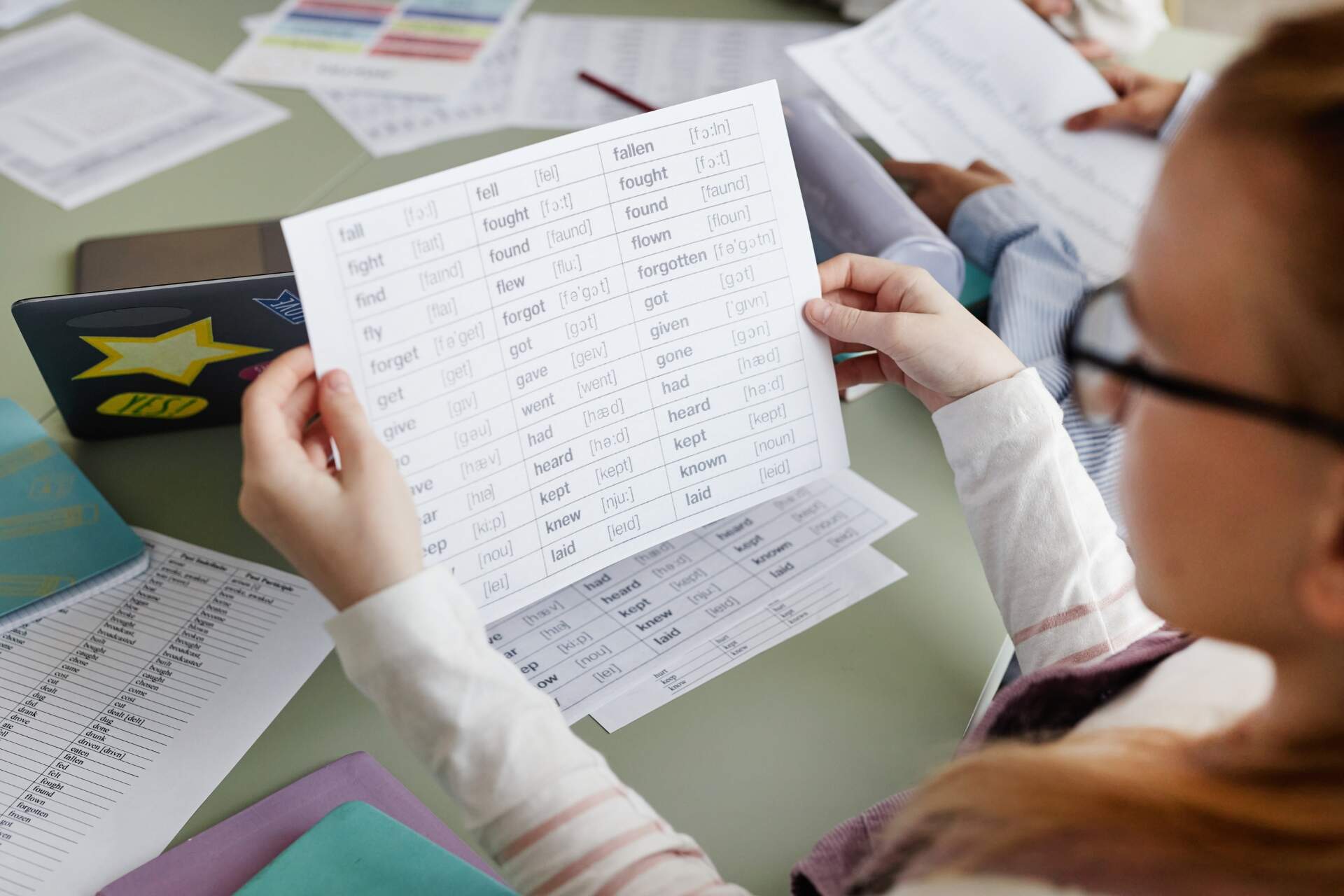
Help kids understand verbs with simple explanations and fun examples they’ll remember.
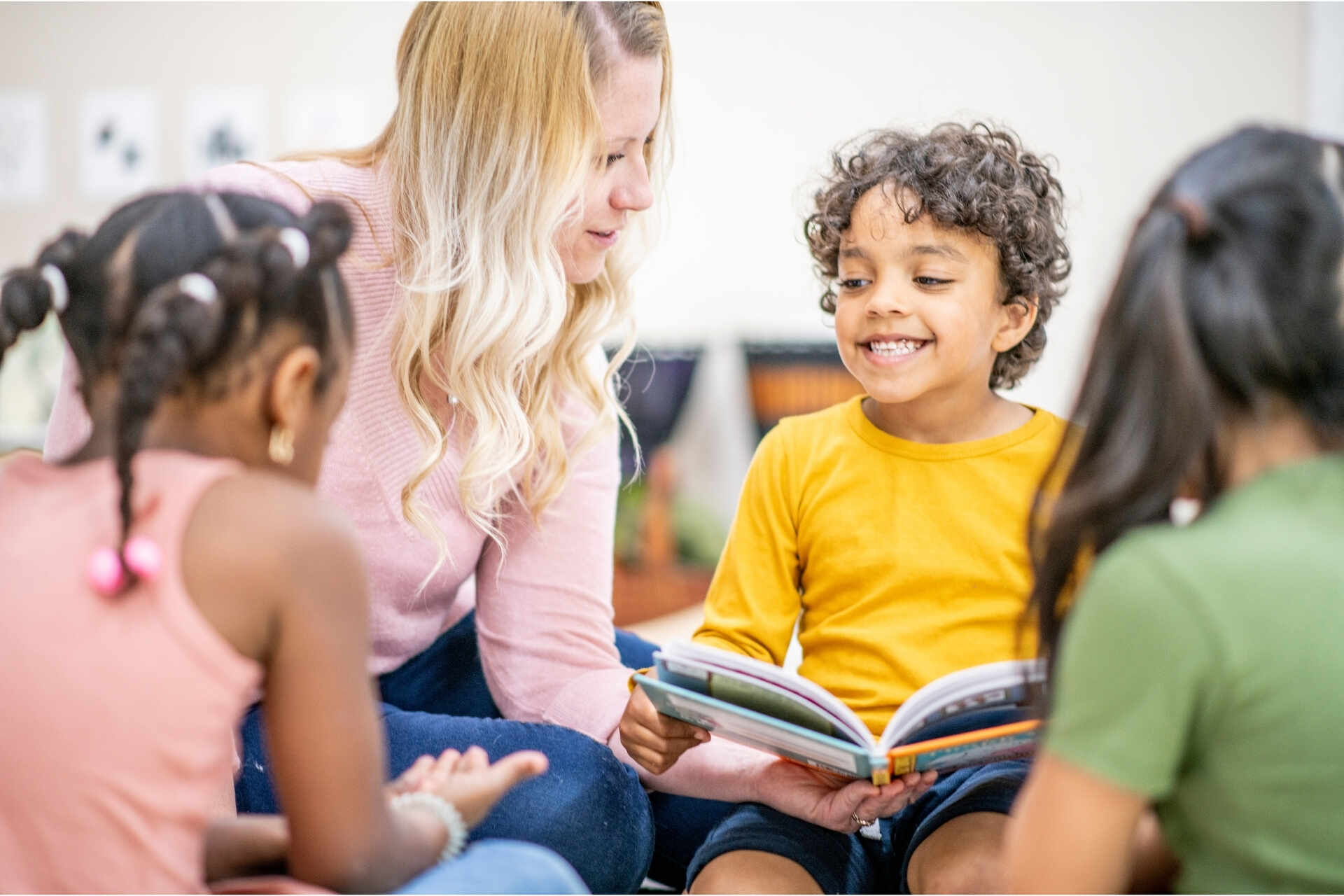
Want to help your child enjoy reading more? Try these easy ways to make story time more interactive, creative, and lovable.
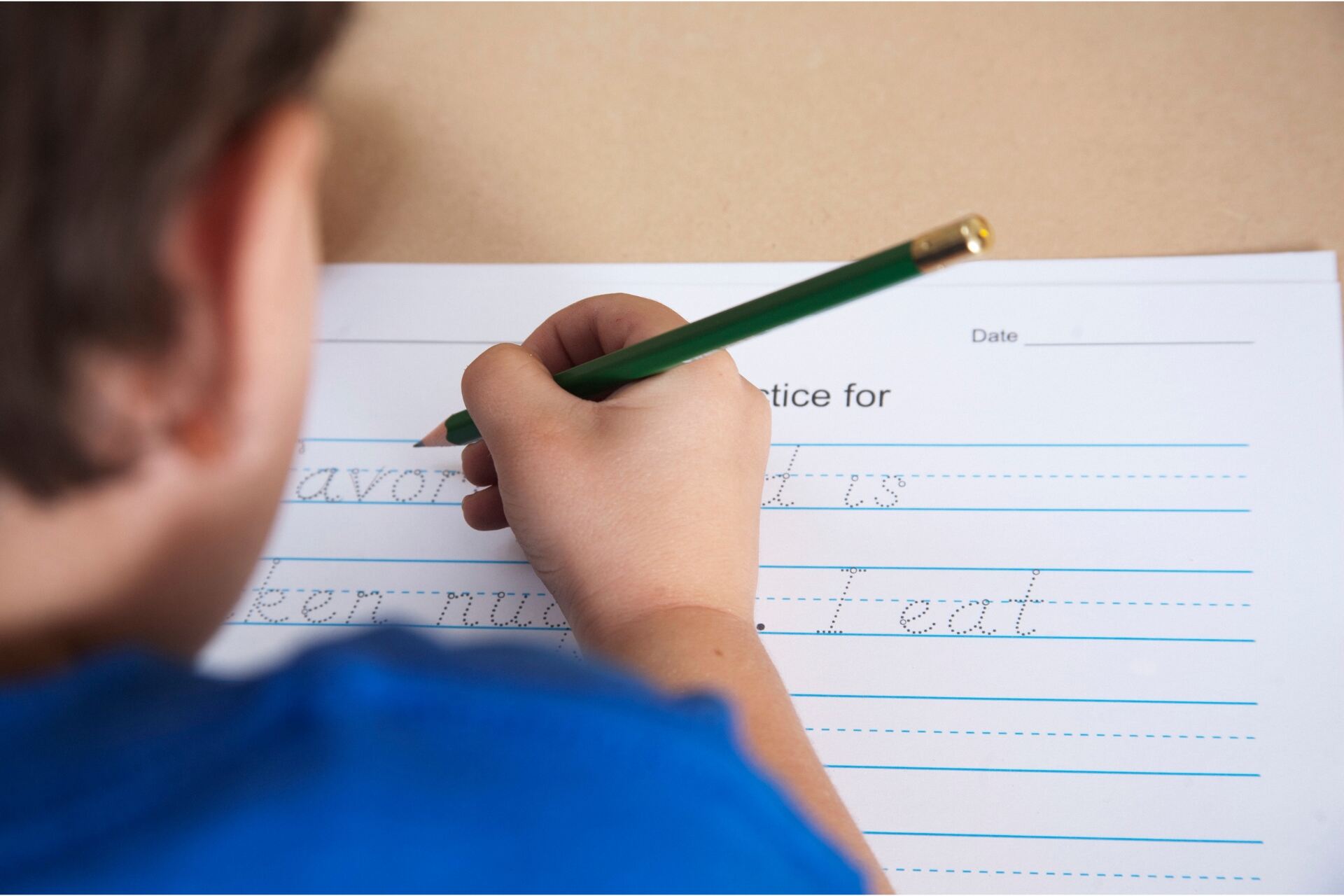
Help kids master capitalization with the M.I.N.T.S. rule, and other essential capitalization rules.
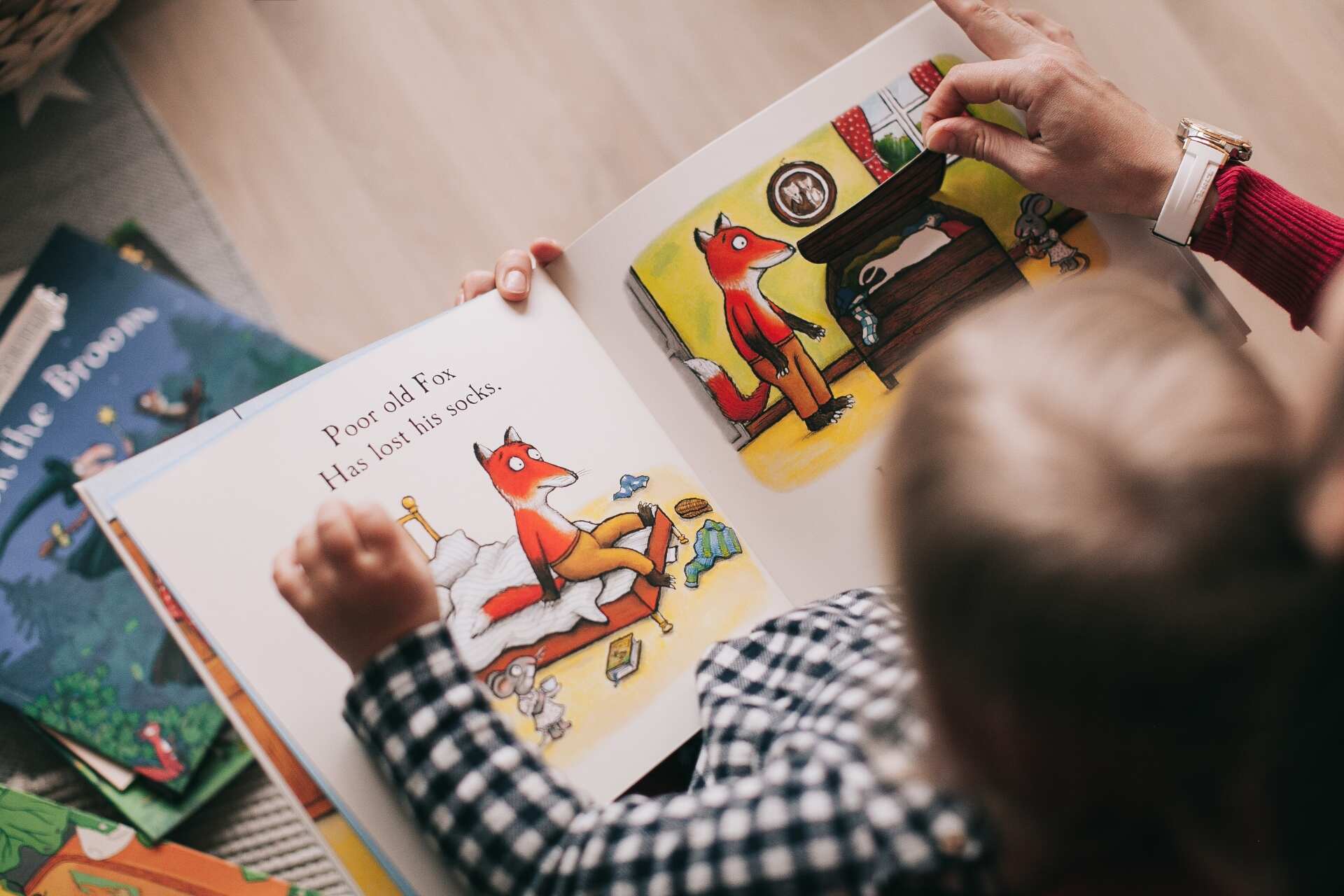
Help your child master nouns with easy explanations of common, proper, concrete, abstract, and other types of nouns, plus everyday examples.