
Curious about homeschooling? Learn how it works, its benefits and challenges, costs, and how to decide if learning at home is right for your family.
Have you ever thought about how some words are actually made up of two smaller words working together? For children, this can feel like uncovering a fun language secret.
Compound words help make reading more playful by showing how meanings change when words join together. This builds curiosity and makes it easier for kids to understand new words as they read books or stories.
In this article, we’ll look at everyday examples of compound words and share printable, hands-on activities that make learning more enjoyable.
Compound words are like word teams that join forces to create a new meaning! Each word brings its own idea, and together they make something new. For example, “snow” and “ball” become “snowball,” while “note” and “book” become “notebook.” It’s like creating new words with a little bit of word magic!
Children usually encounter compound words in books, classroom activities, and everyday life, which makes them a natural part of early reading. For example, in popular children’s storybooks like “The Very Hungry Caterpillar” and “Room on the Broom,” learners come across words such as “ice cream,” “raincoat,” and “firewood.”
As they become more familiar with them, they start to notice how words are built and connected. This simple awareness helps make reading smoother and supports children’s confidence.
What makes compound words important in early literacy learning? To better understand their role in building strong reading skills, let’s explore how they support vocabulary growth and comprehension.
Learning compound words strengthens early literacy in the following ways:
Compound words for kids are like fun word mashups where two simple words come together to create something new. For example, “class” and “room” form “classroom,” and “sea” and “shell” form “seashell.” This helps children naturally grow their vocabulary while connecting new words to things they already know in everyday life.
To support learning, teachers can encourage children to say each word out loud before putting them together and use simple, real-life examples when possible. Asking questions like “What do we get when we put these two words together?” can also help guide their thinking.
Reading becomes more exciting when children start noticing familiar word parts inside compound words. Instead of seeing long or tricky words, they begin to break them into smaller chunks like “play” + “ground” or “foot” + “ball.”
Regular reading and reading aloud with a parent or teacher can help strengthen this skill in children. It allows them to hear words more clearly, spot familiar parts, and gain confidence as they read compound words more smoothly.
For example, noticing words like “raincoat” on a rainy day or “bedroom” in a bedtime story helps children connect reading with real-life situations.
Many children find spelling and writing challenging, especially when words become longer or unfamiliar. They may try to memorize words letter by letter, which can lead to confusion or spelling mistakes. Because of this, writing simple and correct words can sometimes feel difficult and overwhelming for young learners.
Spelling skills improve when children understand that words can be built step by step. For example, “cup” + “cake” becomes “cupcake,” and “tooth” + “brush” becomes “toothbrush.” This “building block” approach helps children remember spelling more easily and use compound words correctly in their writing without guessing.
Compound words for kids play a big role in early literacy development by helping children become curious word explorers. They start noticing patterns in words, which strengthens decoding skills, word recognition, and reading confidence. Gradually, this makes reading feel less like memorizing and more like discovering how language works.
Compound words can be written in different ways, but they always work by joining smaller words together. Let’s explore the three types you’ll commonly see in reading and writing.
These are the “stuck-together” words where two words join to form one single word with no space. Examples like “sunflower,” “playground,” “toothbrush,” and “rainbow” show how familiar words come together to create a new meaning.
These words appear often in children’s books, worksheets, and everyday reading, which helps learners recognize them quickly.
Open compound words are the “team words” that stay separate but always work together as one idea. Words like “ice cream,” “school bus,” and “living room” are easy to connect because children always see them in real life. Even with a space between them, they always function as a pair with one shared meaning.
Hyphenated compound words are the “connected bridge” words that use a hyphen (-) to link two words together. Examples such as “well-known,” “mother-in-law,” “check-in,” and “long-term” show how the hyphen helps keep the meaning clear. The hyphen works like a “connector signal,” telling readers that these words belong together as one idea.
These types are not as common in early reading, but they become more important as children move on to more advanced texts. They also help learners understand how punctuation can change or clarify meaning in words.
Now that we know the different types of compound words, let’s take a look at some common compound words that children regularly see in books and everyday language. These examples provide a helpful foundation for building vocabulary:
Let’s take learning further with more compound words. This list gives children a wide range of words to explore and helps them gain an advantage in becoming more familiar with word patterns.
Get ready for some word fun! This printable worksheet bundle helps children explore compound words through playful and hands-on tasks. Instead of just memorizing, learners get to match, build, and solve word challenges.
Each activity feels like a mini word adventure designed to strengthen vocabulary, improve reading fluency, and build early literacy skills. As children work through each task, they gain more practice noticing word patterns and understanding how smaller words join together to form new meanings.
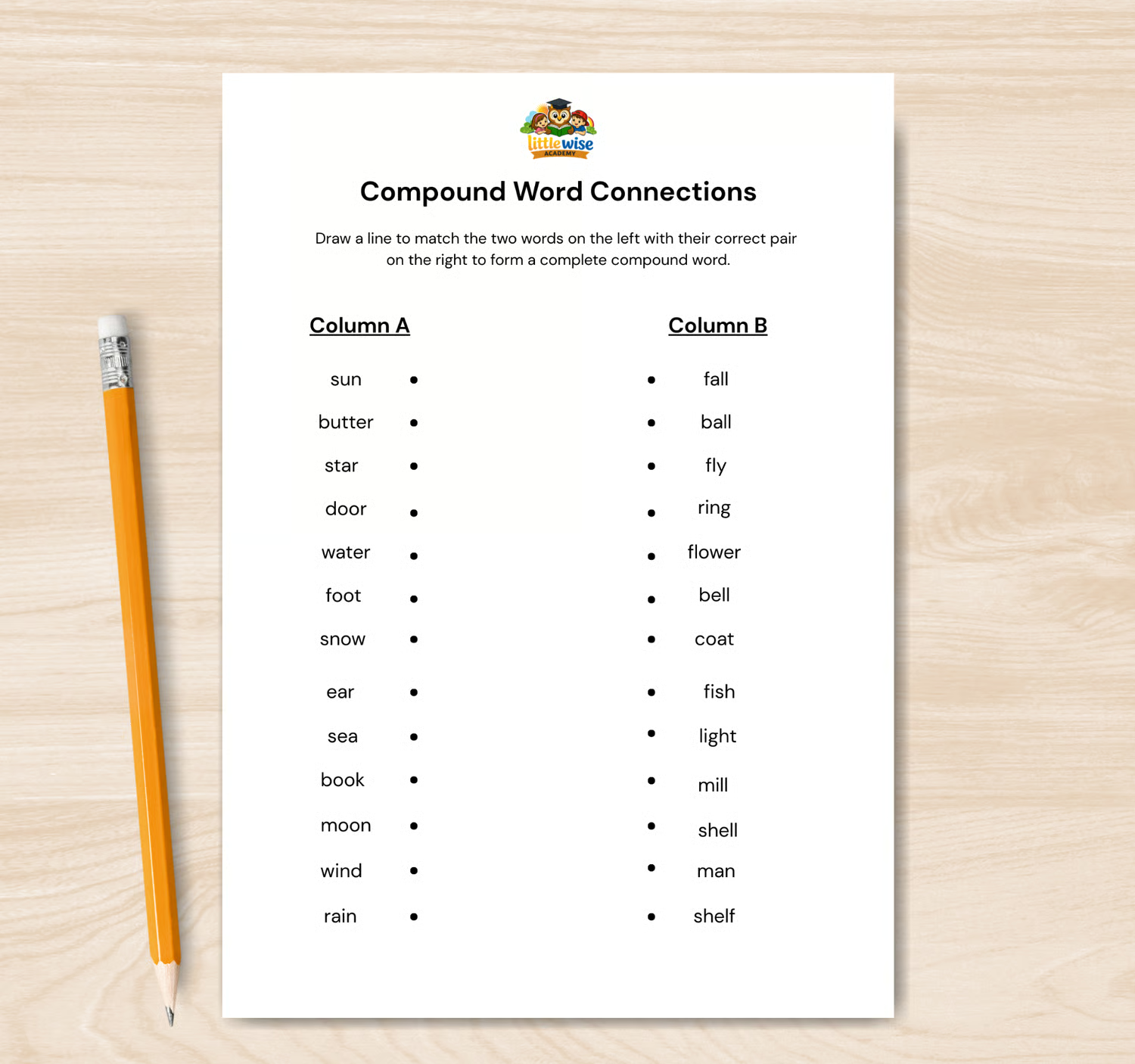
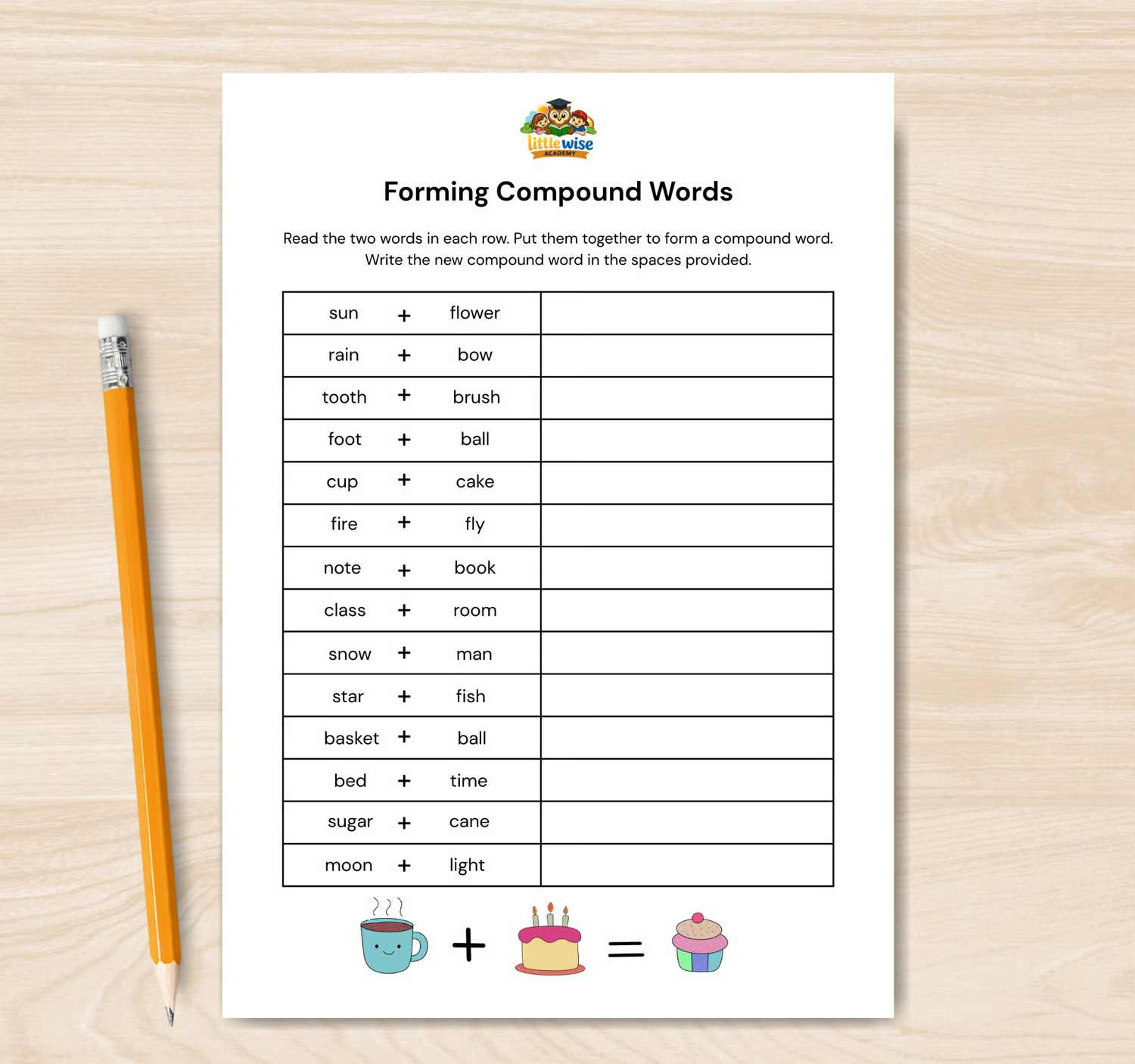
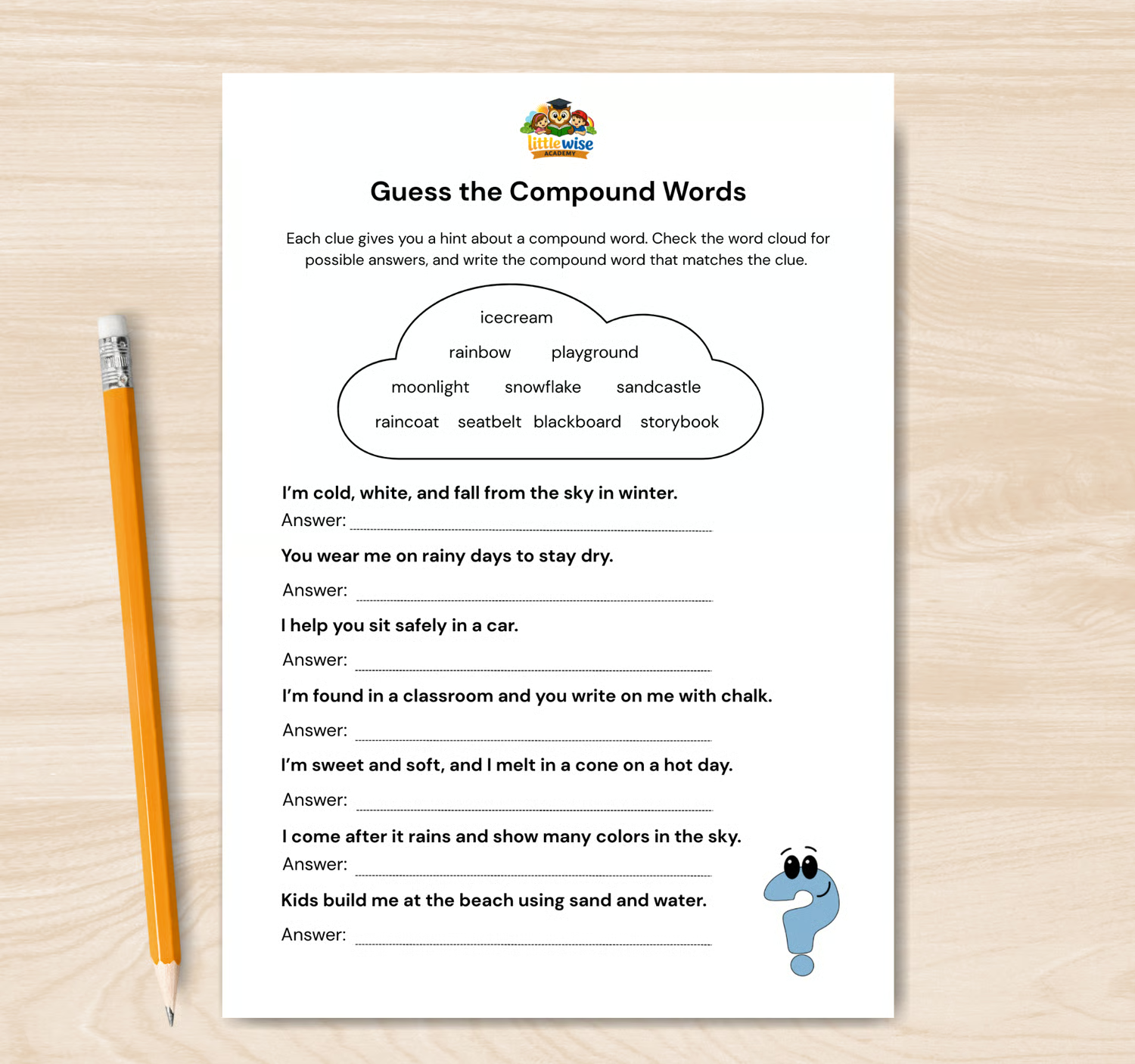
Teaching compound words can sometimes be challenging for homeschooling parents, teachers, and tutors, especially when children try to read each word separately instead of understanding the combined meaning. Learners may also need extra support in moving from memorizing examples to independently recognizing patterns.
That’s where playful practice makes all the difference! When practicing compound words, keep learning simple and consistent. Encourage children to break words into parts, say them aloud, and notice familiar word combinations in everyday reading.
The printable activities in this resource reinforce learning through fun, hands-on matching and word-building tasks.
Curious about homeschooling? Learn how it works, its benefits and challenges, costs, and how to decide if learning at home is right for your family.
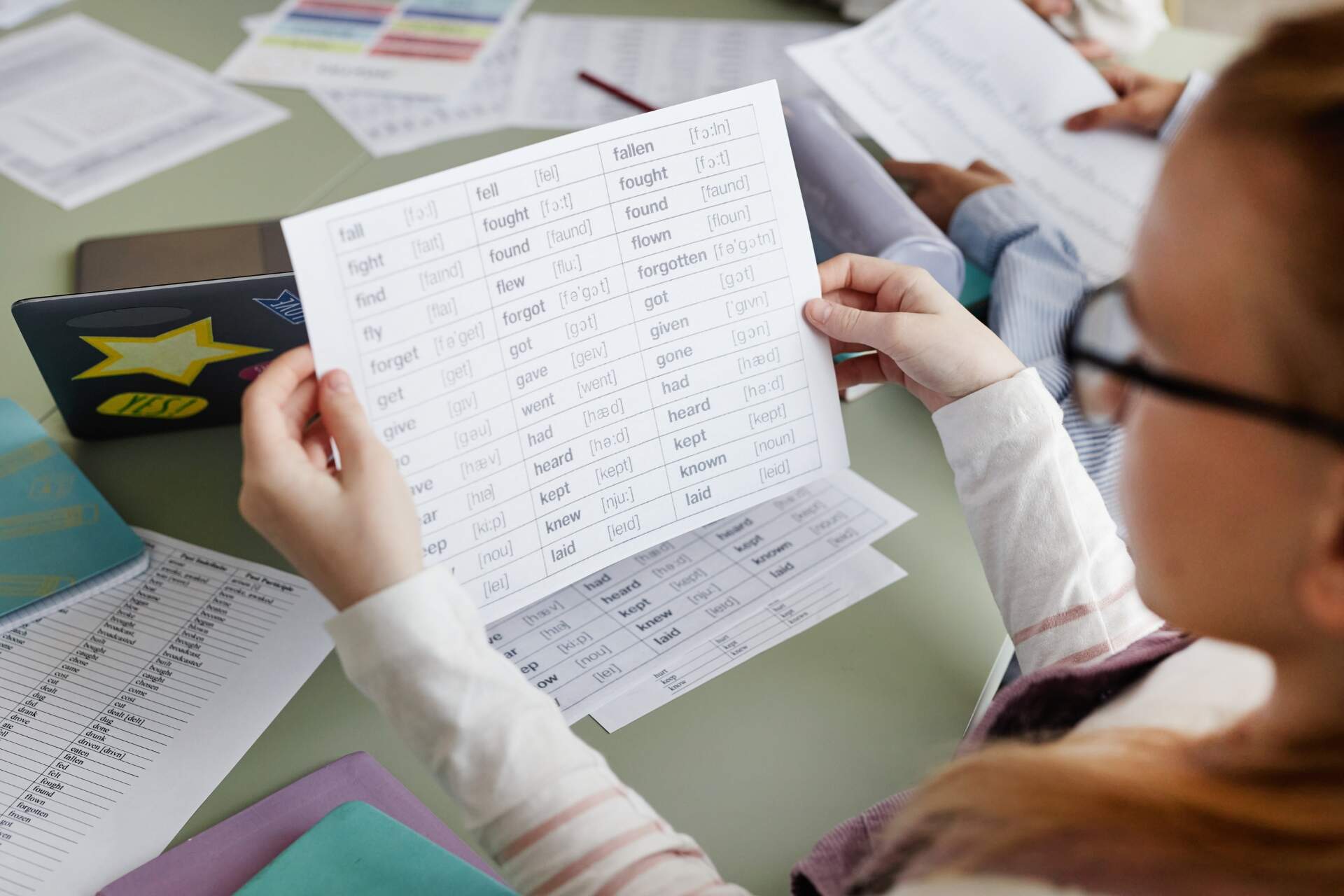
Help kids understand verbs with simple explanations and fun examples they’ll remember.

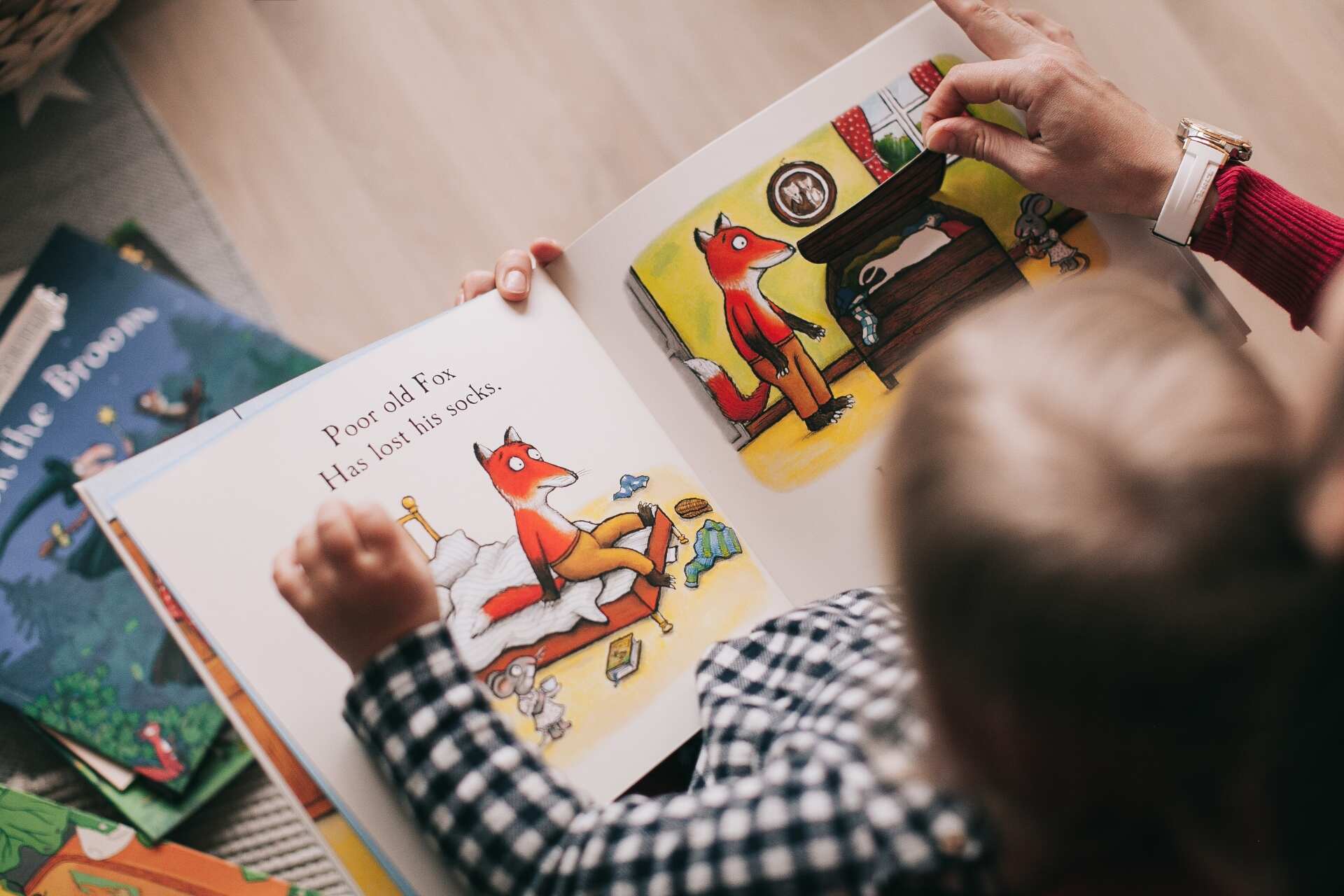
Want to help your child enjoy reading more? Try these easy ways to make story time more interactive, creative, and lovable.
Help kids master capitalization with the M.I.N.T.S. rule, and other essential capitalization rules.
Help your child master nouns with easy explanations of common, proper, concrete, abstract, and other types of nouns, plus everyday examples.