If your child can read small words but struggles when they are joined together, you’re not alone. Compound words can feel challenging at first, but they are an important step in strengthening reading skills.
As children identify, form, and use compound words, they improve key skills like decoding, spelling, and comprehension. They also begin to notice how words connect and work together, which supports smoother reading.
This article introduces printable compound words worksheets with simple activities that feel fun. But first, let’s start with an overview of the basics — what compound words are and why they are important for early language development.
What are Compound Words?
Compound words are formed when two smaller words come together to make a brand-new word with its own meaning. For example, “sun” and “flower” become “sunflower,” and “tooth” and “brush” become “toothbrush.” Each word makes sense on its own, but when combined, they create something new and fun to discover.
Compound words can be written in three ways: closed (one word like notebook), open (two separate words like ice cream), or hyphenated (like mother-in-law). They may look a little different, but they all work the same way — two words joining to form one idea.
Learning compound words helps children see how language fits together like puzzle pieces. It makes reading smoother, spelling easier to figure out, and vocabulary richer and more interesting.
Kids also start to notice compound words everywhere, including in books, conversations, and even everyday signs.
The Importance of Teaching Compound Words to Kids
Compound words may look simple, but they help strengthen key early literacy skills. Read on to learn how they support vocabulary, reading, and writing development.
Builds vocabulary
Teaching compound words helps improve children’s vocabulary development by introducing how two smaller words combine to form new meanings. Instead of relying only on memorization, students learn to recognize word patterns in everyday language.
For example, words like “lunchbox” are easily understood when broken into “lunch” and “box,” which helps learners connect meaning more effectively. This supports stronger vocabulary growth in early literacy.
Improves reading skills
Compound words help children break down longer words into smaller, familiar parts. This supports decoding skills and helps children read more fluently with better understanding.
When children recognize word patterns, they can also guess the meaning of new or unfamiliar words more quickly, which improves reading comprehension.
For example, while reading a story about a park, a child might come across the word “playground.” Instead of feeling stuck, they pause, notice “play” and “ground,” and continue reading with a better understanding of what the character is doing.
Helps with spelling and writing
Understanding compound words improves spelling skills by showing how familiar words are combined to form new ones. This reduces confusion and helps students apply spelling patterns more effectively in writing. For instance, recognizing “basket” and “ball” makes it easier to spell “basketball” correctly. This also supports clearer sentence construction in writing activities.
Supports early literacy development
Compound words play an important role in early literacy development by strengthening phonics, word recognition, and decoding skills. As students encounter compound words like “toothbrush” or “notebook” in reading materials, they begin to recognize common word patterns. This consistent exposure supports long-term reading comprehension and language development.
What’s Included in Our Compound Words Worksheet
- Child-friendly instructions: Each worksheet includes instructions that are easy for children to follow. This helps students understand what to do right away and complete activities with confidence, even with minimal help.
- Fun and engaging noun and verb activities: The worksheets include interactive exercises that help children identify, form, and use compound words. These activities are designed to keep learners interested while strengthening their reading and vocabulary skills in a meaningful way.
- Answer keys: Answer keys are provided for every worksheet to make checking answers quick and easy. This helps parents, teachers, and tutors save time while ensuring accurate guidance for learners.
Printable Compound Words Worksheet
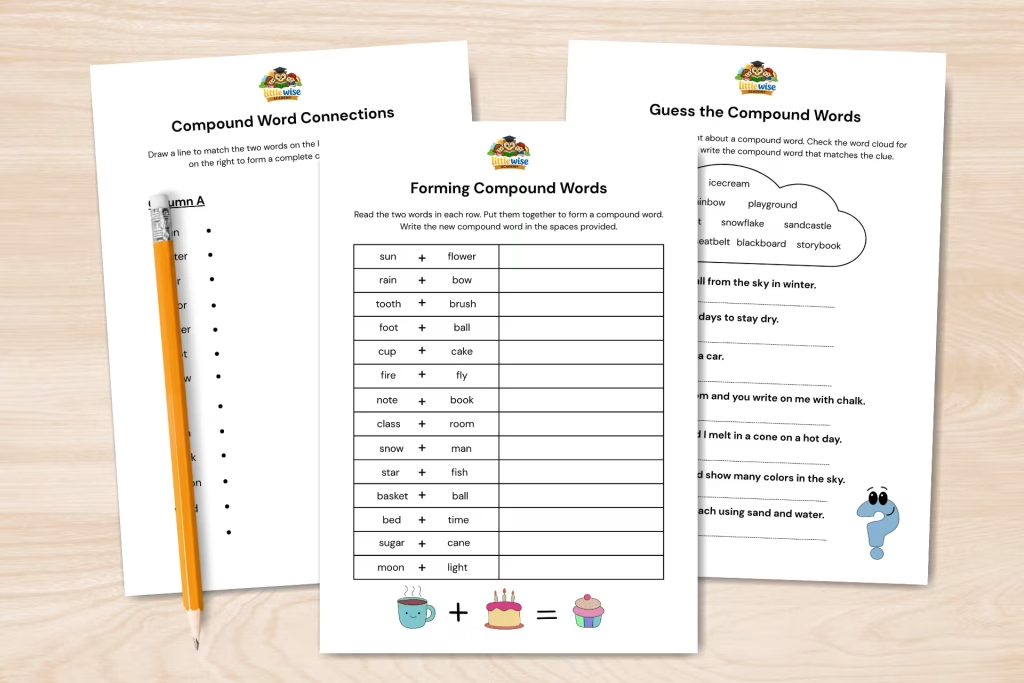
Having learned the concept of compound words, children can now apply their understanding through practice. Below are activities included in our worksheet bundle.
Compound Word Connections
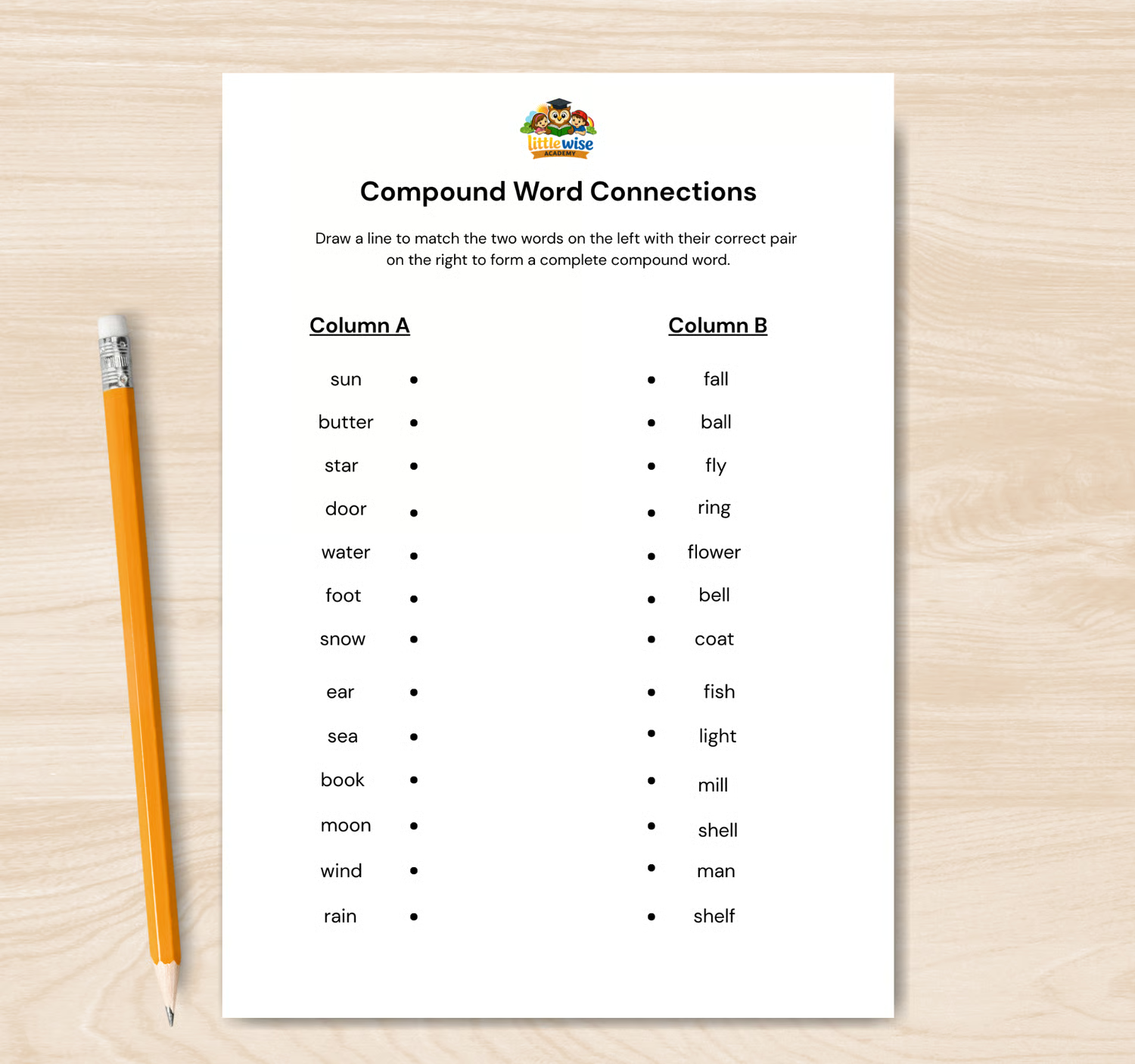
Students match words from two columns to form correct compound words. For example, they connect words like sun + flower or rain + bow to build familiar compound words.
To support learning, encourage kids to read through all the words first, say them out loud, and try matching the easiest ones before moving on. Using examples from everyday life can make it even more relatable. You could say, “Let’s put sun and flower together — sunflower! That’s the bright flower you might see in a garden.”
Forming Compound Words
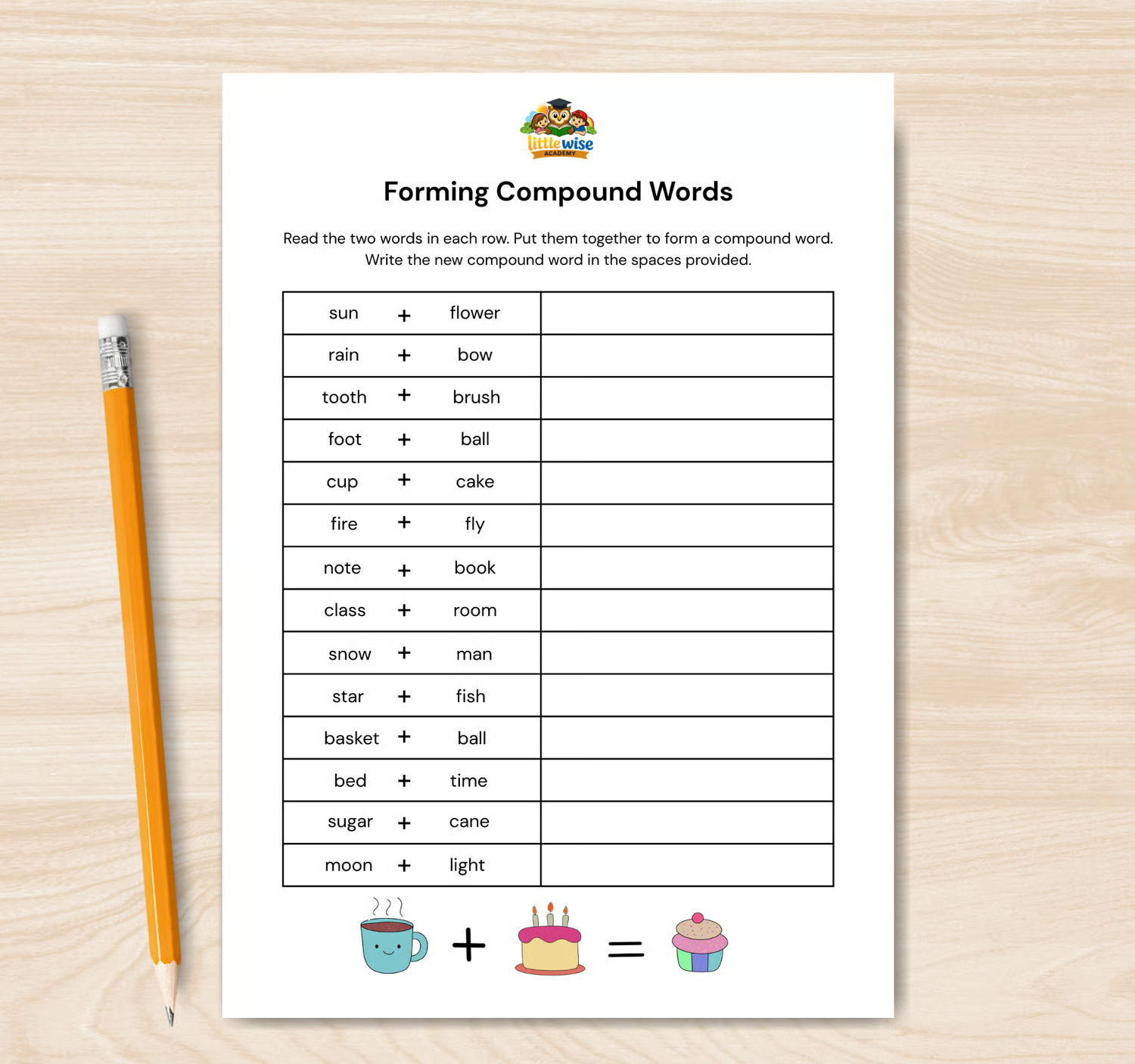
Children look at two simple words and combine them to form a compound word. Examples like tooth + brush and basket + ball make the activity feel like fun word building. Learners can start with familiar words, say each part aloud, and then write the final answer.
Guess the Compound Words
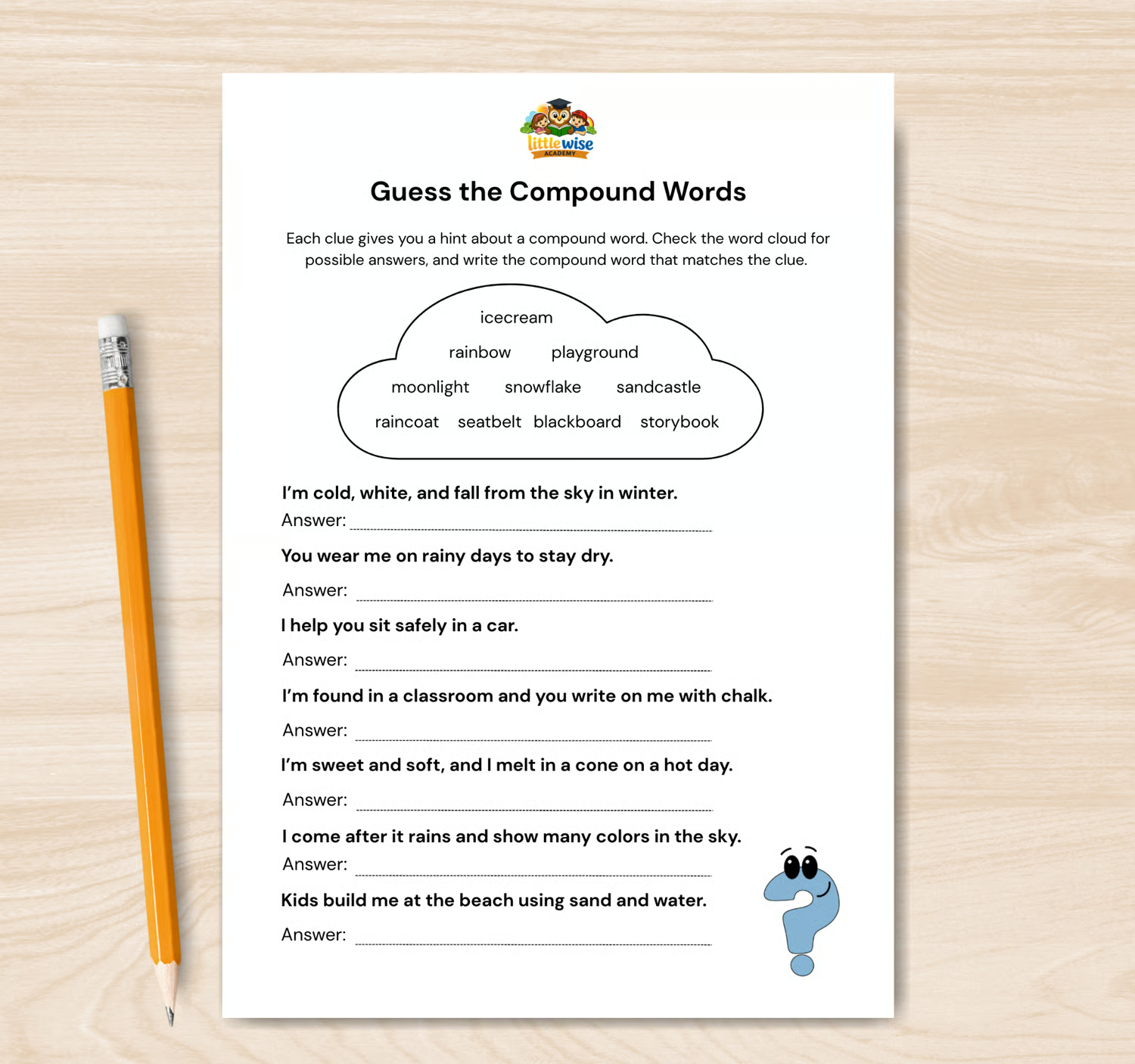
Kids read clue sentences and use a word bank to guess the correct compound word. For example, the clue “I’m cold, white, and fall from the sky in winter” leads to snowflake. This activity feels like a word puzzle and helps build reading comprehension and vocabulary.
Children read the clues slowly, look for key words, and use the word bank as support. Talking through answers together adds more fun and interaction!
DOWNLOAD ALL THESE ADDITION TO 20 WORKSHEETS HERE
Summary
Compound words remind us that reading is more than recognizing letters. It is about understanding how language is built. When children see how smaller words connect to form new meanings, they begin to read with greater awareness and flexibility.
These printable worksheets provide a practical way to support learning through guided practice and repetition. With regular and consistent effort, children gain confidence in using words. The goal is to keep learning simple, positive, and engaging for every learner.