
Kindergarten Vocabulary Words

This kindergarten vocabulary word list features everyday words that support language growth and word recognition.
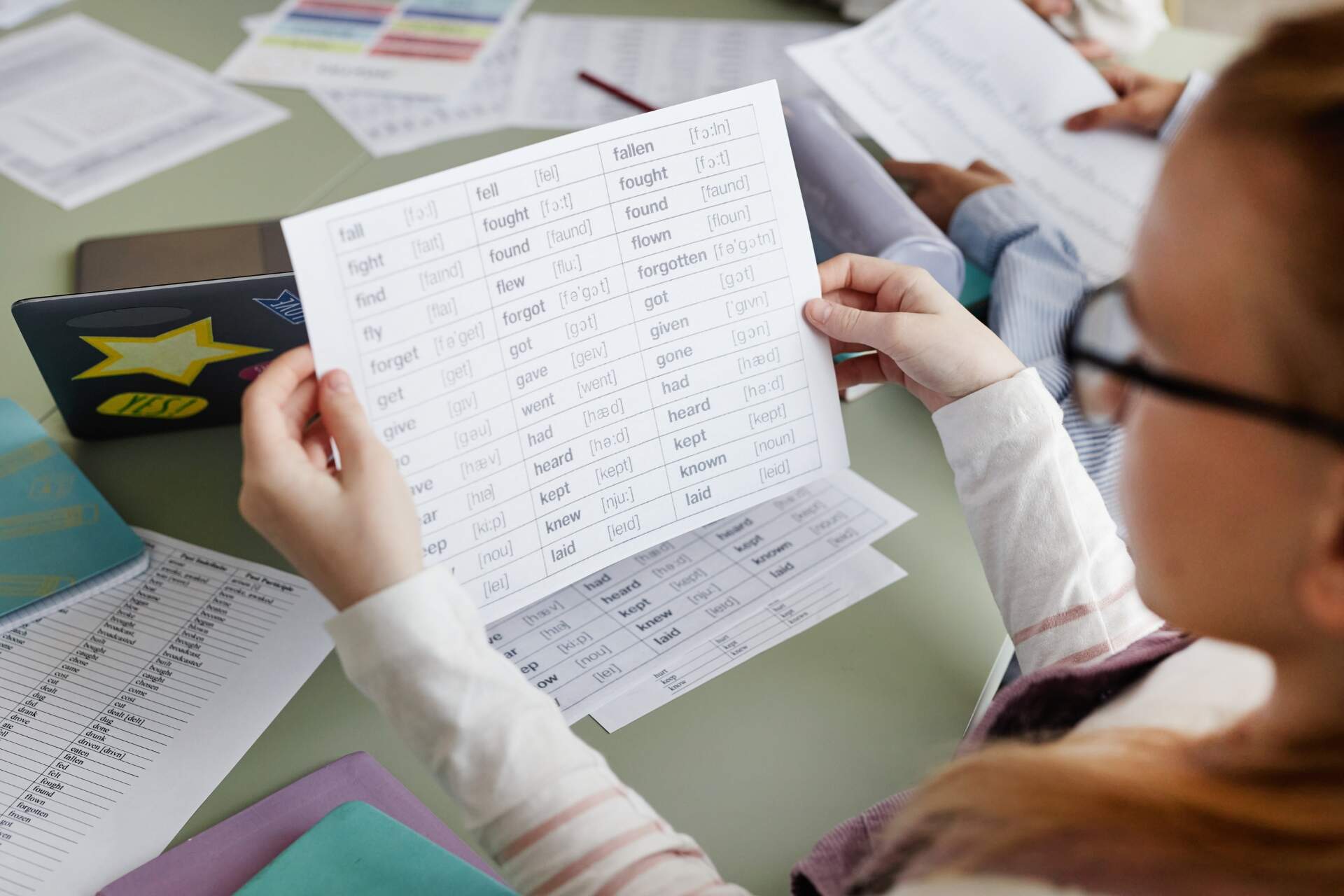
teacher with kindergarten students reviewing a vocabulary word list in the classroom
On this page

Every new word a child learns helps them understand and describe the world around them. Imagine a child who can say they are hungry, tired, or happy instead of just pointing or crying. In kindergarten, they start with simple words they see and hear every day. These words are the building blocks for reading, writing, and speaking, and they also help children think, stay curious, and connect new ideas to what they already know.

This article offers a list of kindergarten vocabulary words, organized by letter. It includes easy, familiar, and slightly challenging words that support early learning. Use this as a reference to help children recognize and use language with confidence!

Kindergarten Vocabulary Words

As you go through the A–Z list, turn words into songs or rhymes to help children remember them better. Let’s explore these words that kindergarten students can use.

A

  • Apple
  • Ant
  • Air
  • Alligator
  • Arm
  • Amazing
  • Autumn
  • Age
  • Adapt

B

  • Ball
  • Baby
  • Book
  • Bird
  • Bus
  • Brave
  • Bright
  • Backpack
  • Bloom

C

  • Cat
  • Car
  • Cup
  • Cake
  • Chair
  • Crayon
  • Class
  • Cookie

D

  • Dog
  • Duck
  • Door
  • Drum
  • Dad
  • Desk
  • Doll

E

  • Egg
  • Elephant
  • Eye
  • Ear,
  • Engine
  • Excited
  • Eight

F

  • Fish
  • Frog
  • Flower
  • Flag
  • Fan
  • Fingers
  • Family
  • Four

G

  • Goat
  • Girl
  • Grass
  • Grapes
  • Green
  • Glue
  • Grow
  • Giggle 

H

  • Hat
  • House
  • Hand
  • Horse
  • Heart
  • Hot
  • Hop
  • Hungry

I

  • Ice
  • Igloo
  • Island
  • Iron
  • Imagine
  • Insect

J

  • Jam
  • Jar
  • Jump
  • Jelly
  • Jacket
  • Joyful
  • Juice

K

  • Kite
  • King
  • Key
  • Kitten
  • Kind
  • Knight
  • Kitchen

L

  • Lion
  • Leaf
  • Lamp
  • Ladder
  • Lemon
  • Lucky
  • Listen
  • Learn

M

  • Moon
  • Milk
  • Mouse
  • Mango
  • Mom
  • Many
  • Mountain

N

  • Nest
  • Nose
  • Net
  • Night
  • Nail
  • Neat
  • Nine
  • Nearby

O

  • Owl
  • Orange
  • Ocean
  • Octopus
  • Orange
  • Oven

P

  • Pig
  • Pen
  • Pizza
  • Pencil
  • Pop
  • Park
  • Pilot

Q

  • Queen
  • Quilt
  • Quick
  • Quiet
  • Question

R

  • Rabbit
  • Rain
  • Ring
  • Robot
  • Rose
  • Roar
  • Reach
  • Run

S

  • Sun
  • Star
  • Snake
  • Spoon
  • Snow
  • Strong
  • Splash
  • Share
  • Surprise

T

  • Tree
  • Tiger
  • Toy
  • Table
  • Train
  • Tickle
  • Tiny
  • Tomorrow

U

  • Umbrella
  • Under
  • Up
  • Uniform
  • Unicorn
  • Useful
  • Understand
  • Upset

V

  • Van
  • Violin
  • Vest
  • Vase
  • Volcano
  • Visit
  • Value
  • Very
  • Vast

W

  • Water
  • Whale
  • Window
  • Watch
  • Wall
  • Wonder
  • Wish
  • Weak
  • Wiggle

X

  • X-ray
  • Xylophone
  • Xenon

Y

  • Yellow
  • Yak
  • Yarn
  • Yawn
  • Yacht
  • Young
  • Yesterday
  • Year
  • Yell

Z

  • Zebra
  • Zoo
  • Zip
  • Zipper
  • Zero
  • Zoom
  • Zest
  • Zigzag
  • Zone

Tips for Teaching Vocabulary to Kindergartners

Strong vocabulary skills help young learners use language more effectively. If you’re wondering how to get started, here are simple ways to support vocabulary growth in everyday learning:

  • Talk about everyday things: Point to objects and describe them. Example: “This is a  soft pillow. Soft means it feels nice to touch.”
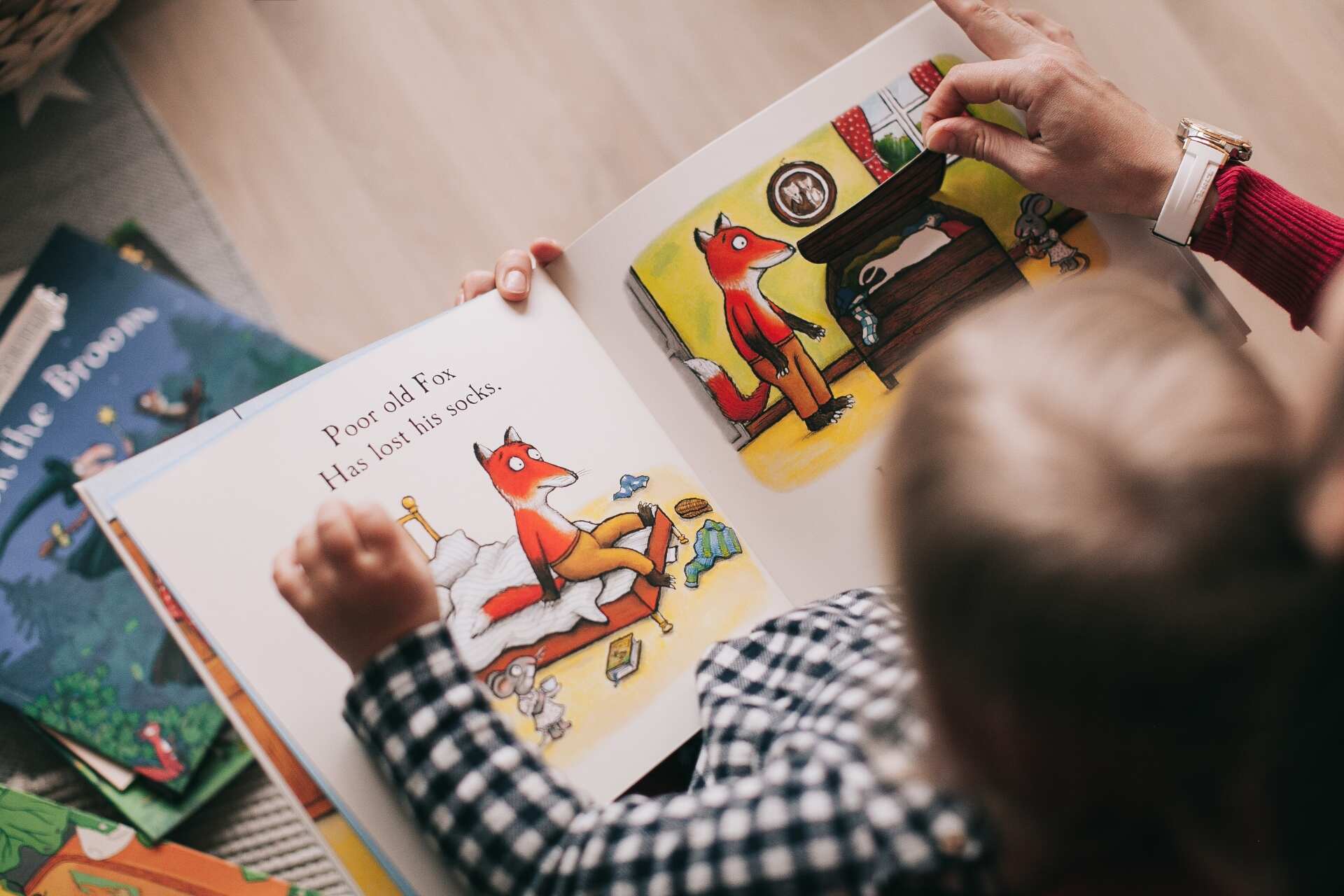
  • Read and pause: Stop and explain new words in simple terms. Example: “The giant is enormous. Enormous means very, very big.”
  • Use pictures and objects: Show real items, toys, or pictures when teaching words. Example: Show a ball and say, “This is a round ball.”
  • Repeat words often: Use the same word many times during the day. Example: “Look at the bright sun. The sun is very bright today.”
  • Encourage speaking: Ask simple questions. Example: “Can you tell me something that is tiny?”
  • Act it out: Let children act out words. Example: Jump for “jump” or whisper for “quiet.”
  • Connect it to real life: Ask questions about their day. Example: “What made you feel happy today?”
  • Play word Games: Try simple activities like “I Spy” (“I spy something bright”), matching pictures to words, or acting games.

Summary

Learning vocabulary in kindergarten is most effective when it is simple, consistent, and engaging. Using an A–Z word list helps organize learning and makes it easier for children to focus on one group of words at a time.

Children can build their vocabulary with support from adults, regular practice, and fun activities. Gradually, they develop more confidence in using new words.

Subscribe to our newsletter.
Become a subscriber receive the latest updates in your inbox.

You may also like