

Curious about homeschooling? Learn how it works, its benefits and challenges, costs, and how to decide if learning at home is right for your family.
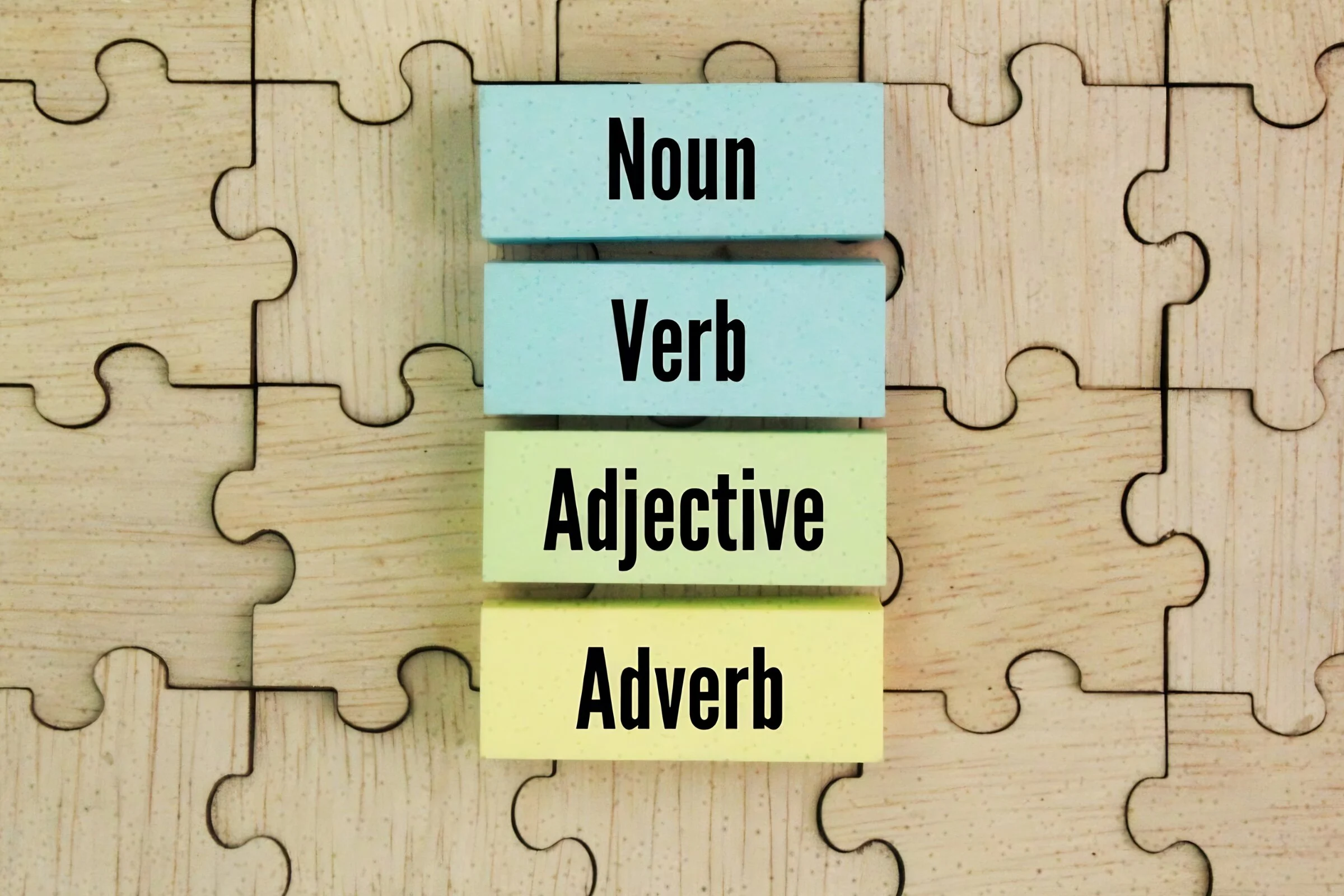
We use words every day to share ideas, ask questions, tell stories, and describe what we see around us. But did you know that each word has its own role in helping sentences make sense? These roles are called parts of speech, and learning them helps children understand how language works in everyday communication.
This article explains the eight parts of speech for kids using definitions and examples that are easy to understand.
Parts of speech are groups of words that help explain how sentences are formed. Each group has a special job that supports meaning and shows how words work together to express ideas.
There are eight main parts of speech, and each one helps make sentences clearer and more complete. In the next section, we’ll explore them one by one and see how they work together.
What makes sentences clear and meaningful? It’s the way different types of words work together. The eight parts of speech help show what each type of word does within a sentence.
A verb is a word that shows an action or a state of being. In other words, verbs tell what someone or something does, feels, or is. Some verbs show actions you can see, like jump or write. Other verbs describe a condition or state, like is, are, or was. If you can ask “What is happening?” in a sentence, the answer is likely the verb.
Sentence examples:
A noun names a person, place, animal, thing, or idea. Nouns help us identify who or what a sentence is about. Some nouns name people like teacher or friend, while others name places like school. Some name things like pencil or table, and others name ideas like love or kindness.
Sentence examples:
An adjective describes a noun. It gives more details about how someone or something looks, feels, sounds, or behaves.
Adjectives make sentences more interesting by adding details like big, blue, happy, tall, soft, shiny. Using adjectives helps children create clearer pictures in their writing and makes their sentences more interesting to read.
Sentence examples:
Have you ever wondered how we explain how, when, or where an action happens? That extra detail usually comes from an adverb.
An adverb gives more information about an action. It can describe how fast, when, where, or how frequently something happens. Many adverbs end in -ly, like quickly and slowly, but others, such as very and here, do not.
Sentence examples:
A pronoun is a word that replaces a noun that has already been mentioned. Instead of repeating the same name again and again, pronouns help sentences sound smoother and easier to follow.
Sentence examples:
A preposition is a word that shows how one word is connected to another in a sentence. It helps describe where something is, like when a cat hides under the table or a bag sits on the chair. Prepositions such as in, on, under, beside, between, behind, and near help readers picture positions more clearly.
Sentence examples:
A conjunction is a word that connects ideas together in a sentence. It helps words and thoughts work as a team, like bringing a pencil and a notebook to class, choosing apples or bananas for a snack, or staying indoors because it starts to rain.
Common conjunctions include and, but, or, because, and so, and they help make sentences longer, smoother, and easier to understand.
Sentence examples:
An interjection is a short word that shows a strong feeling. It is usually followed by an exclamation mark to express emotions clearly and quickly.
For example, you might say “Wow!” when something surprises you or “Oh!” when you suddenly remember something important.
Words like wow, oh, hooray, oops, hey, and yikes make sentences sound more exciting and expressive.
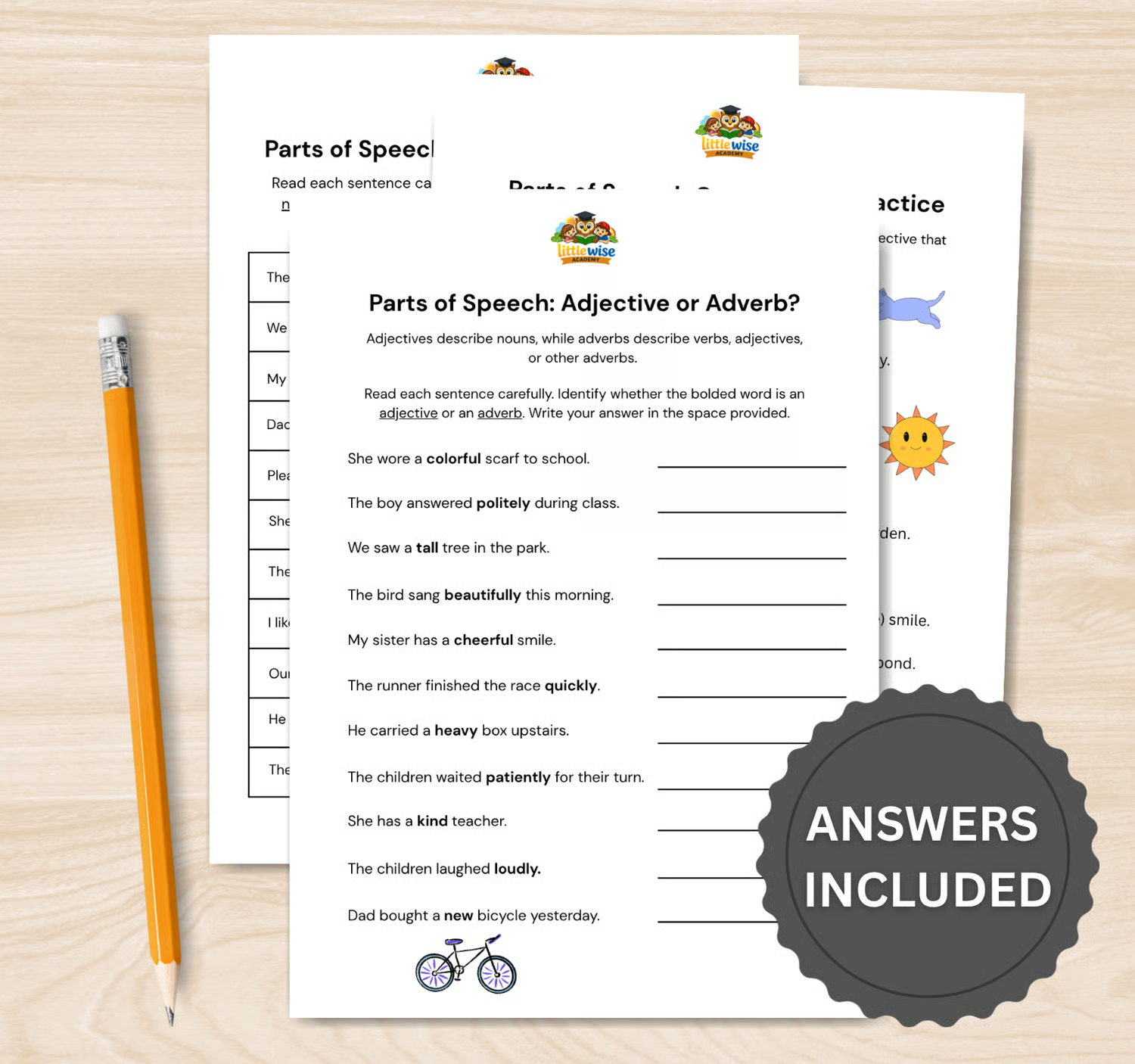
Practice helps learners become more confident in recognizing parts of speech. Our Parts of Speech Worksheet for Kids gives children additional opportunities to identify word types in real sentences.
The activities include choosing between adjectives and adverbs, sorting nouns, verbs, and adjectives, and completing short sentence clues that help learners see how words function in context.
Teachers and parents can use this worksheet set during lessons, review sessions, or independent practice. Regular sentence-based activities help children recognize word roles more quickly and apply them when reading and writing.
The parts of speech help learners understand how sentences are formed and how ideas are shared through language. Recognizing the roles of the eight word groups makes it easier to follow sentence structure and express thoughts more effectively in writing.
Repeated exposure to sentence examples and practice activities builds confidence in both reading and writing. This growing familiarity also makes grammar easier to notice in everyday sentences.
Curious about homeschooling? Learn how it works, its benefits and challenges, costs, and how to decide if learning at home is right for your family.
Help kids understand verbs with simple explanations and fun examples they’ll remember.

Want to help your child enjoy reading more? Try these easy ways to make story time more interactive, creative, and lovable.
Help kids master capitalization with the M.I.N.T.S. rule, and other essential capitalization rules.
Help your child master nouns with easy explanations of common, proper, concrete, abstract, and other types of nouns, plus everyday examples.