
Curious about homeschooling? Learn how it works, its benefits and challenges, costs, and how to decide if learning at home is right for your family.

Learning to read is one of the biggest milestones in a child’s education, but it doesn’t always happen as smoothly as parents and teachers hope. Many children can sound out letters and simple words, yet they still tend to pause while reading. This is where sight words can help.
Sight words are some of the most common words children encounter in everyday reading materials. But which sight words should children learn? Should you use the Dolch Sight Word List or the Fry Sight Word List? And what sight words are appropriate for your child’s level?
In this guide, we’ll cover everything you need to know about sight words.
Some words appear so often in children’s books that young readers may see them hundreds (or even thousands) of times during their elementary school years. In fact, a relatively small group of common words makes up a large portion of the text children read every day.
These words are known as sight words — words that children learn to recognize quickly and automatically, without needing to sound them out each time they see them.
Examples of sight words include words like the, and, was, said, come, and because. Since these words appear so frequently in reading materials, learning them by sight helps children read more efficiently.
When teachers and parents talk about sight words, they are usually referring to two popular collections: the Dolch Sight Word List and the Fry Sight Word List. Both lists focus on high-frequency words, though each list was created using a different approach.
The short answer is that both lists help children learn common words, but they were created by different educators, at different times, and for slightly different purposes.
The Dolch Sight Word List focuses on common words found in children’s books and early readers, while the Fry Sight Word List is based on the words that appear most frequently in all types of reading materials.
The Dolch list is shorter and often used with younger learners, while the Fry list is larger and extends further into the upper elementary grades.
The Dolch Sight Word List was created by Dr. Edward William Dolch, a literacy educator and professor, in 1936. After studying children’s books of his time, Dolch identified the words that appeared most often in texts written for young readers.
His list contains 220 service words and 95 nouns, for a total of 315 words. The service words include pronouns, verbs, adjectives, adverbs, prepositions, conjunctions, and other common words that children encounter repeatedly while reading.
Some examples of Dolch sight words include the, and, said, where, come, little, help, and jump.
One reason the Dolch list became so popular is that many of the words cannot always be sounded out easily using basic phonics rules. For example, words like said and one have spellings that may not match what beginning readers expect.
Today, the Dolch words are commonly grouped by grade level, including Pre-K, Kindergarten, 1st Grade, 2nd Grade, and 3rd Grade.
The Fry Sight Word List was developed by Dr. Edward Fry, a reading specialist and educator, in 1957. His goal was to create a more modern list that reflected the words children were most likely to encounter across a wider range of reading materials.
The Fry list contains 1,000 words. It’s much larger than the Dolch list. These words were selected based on how frequently they appeared in written English, including books, newspapers, articles, and other texts.
The first few Fry words include the, of, and, a, in, is, you, and that.
An interesting fact about the Fry list is that the first 100 words account for roughly half of the words found in many English texts, while the first 300 words make up a large majority of everyday reading material. This means that learning a relatively small number of Fry words can have a significant impact on reading success.
Its larger collection of 1,000 words makes the Fry list useful for students as they advance through elementary school.
The good news is that you don’t necessarily have to choose one list over the other. The better question is: Which list best fits the child’s current grade level and reading needs?
For younger learners, especially those in Preschool, Kindergarten, and the early elementary grades, the Dolch Sight Word List is a great starting point.
As children move into the upper elementary grades, the Fry Sight Word List can become more useful. Its larger collection of 1,000 words reflects a wider range of reading materials and provides a progression that extends through 5th grade and later grades.
That said, many teachers and reading programs use a combination of both lists.
Since there is significant overlap between them, children benefit most from learning the words they encounter regularly in their books, lessons, and other reading activities.
Sight word instruction typically follows a gradual progression. New words will be introduced as a child’s reading skills develop. The lists below provide a general guide to the types of sight words that are commonly taught from Kindergarten through 5th Grade.
Kindergarten marks the beginning of most children’s sight word journey.
At this stage, children learn letter sounds, build foundational phonics skills, and start reading simple words and sentences. By the end of the school year, many kindergarteners can identify 40–60 common sight words.
The focus is on learning very common words that appear repeatedly in beginner books and classroom materials.
Kindergarten sight words include:
a, am, and, are, at, away, big, can, come, down, find, for, go, help, here, I, in, is, it, jump, little, look, make, me, my, not, one, play, red, run, said, see, the, three, to, two, up, we, where, yellow, you
In 1st grade, children become more confident readers as they practice reading on their own. They also continue improving their phonics skills. Many can identify 100 or more sight words by the end of the year.
1st grade sight words include:
after, again, an, any, as, ask, by, could, every, fly, from, give, going, had, has, her, him, his, just, know, let, live, may, of, old, once, open, over, put, round, some, stop, take, thank, them, then, think, walk, were, when
Second graders continue developing strong reading foundations as they encounter longer texts and new vocabulary. Given that they’re already familiar with many sight words, children can spend more energy thinking about what a text means rather than decoding each word.
2nd grade sight words include:
always, around, because, before, best, both, buy, call, cold, does, don’t, fast, first, found, goes, green, its, made, many, off, or, pull, read, right, sing, sit, sleep, tell, their, these, those, upon, us, use, very, wash, which, why, wish, work
Third grade brings increased reading expectations. Students now read longer passages and gain a richer vocabulary, so sight word mastery leads to smoother and more enjoyable reading.
3rd grade sight words include:
about, better, bring, carry, clean, cut, done, draw, drink, eight, fall, far, full, got, grow, hold, hot, hurt, kind, laugh, light, long, much, myself, never, only, own, pick, shall, show, six, small, start, today, together, try, warm, write, would, yourself
By 4th grade, students regularly read chapter books and subject-specific materials. For example, they may read science articles, history passages, and longer stories with more advanced vocabulary.
Most have already mastered many common sight words, but it’s important to continue expanding their vocabulary.
4th grade sight words include:
across, against, answer, area, attention, beautiful, business, country, different, enough, example, experience, important, language, learn, measure, mountain, notice, particular, perhaps, question, remember, science, several, special, though, toward, travel, usually, weather, whether, whole, woman, women, world, among, possible, interest, complete, describe
Fifth graders regularly encounter complex vocabulary and a variety of text types, including nonfiction articles, reports, and novels. Since they have developed strong foundational reading skills, recognizing sight words automatically helps them concentrate on comprehension.
5th grade sight words include:
achieve, available, compare, consider, continue, determine, develop, discover, education, especially, evidence, familiar, government, individual, information, knowledge, necessary, opportunity, organize, paragraph, population, prepare, process, purpose, relationship, represent, research, result, solution, successful, suggest, system, throughout, understand, value, various, volunteer, community, environment, responsibility
There is no single “right” way to teach sight words. Children learn best through a variety of activities that combine seeing, saying, hearing, and writing words repeatedly.
Below are several simple techniques you can start trying at home or in the classroom.
Flash cards are a popular way to introduce and review sight words. Show your child one card at a time and ask them to read the word aloud. If they are unsure, say the word together. Move on without making it feel like a test.
Short sessions work best. You can spend 5 minutes a day reviewing a small set of words that can help children build familiarity.
Repeated exposure can help strengthen the connection between how the word looks and how it sounds. Sometimes children benefit from simply seeing a word and saying it aloud several times!
Choose a sight word, point to it, and have your child read it 3 to 5 times. For example, if the word is because, your child will say, “because, because, because.”
Combining word recognition with spelling can improve memory. Ask your child to say the sight word, spell it aloud, and then say the word again.
For example, with the word said, a child would say, “said, S-A-I-D, said.” This simple routine lets them pay attention to the word’s spelling pattern.
Air writing adds movement to the learning process, which can be especially helpful for active learners. The combination of movement, speech, and visual memory can make words easier to remember.
Have your child use a finger to write a sight word in the air while saying each letter aloud. For example, they might write “look” in the air while saying “L-O-O-K.”
Children do not always need paper and pencils to practice writing. Encourage them to use a finger to trace sight words on a table, desk, or other flat surface. As they trace each letter, they can say the word aloud.
A great way to reinforce sight words is through real reading experiences. Many beginner readers repeat common sight words through stories.
Some popular books that promote early sight word development include:
As you together, pause occasionally and ask your child to identify a sight word they have been practicing. For example, ask them, “Can you find the word the on this page?” or “Do you see the word and anywhere?”
Games can make sight word practice feel more like play than work. You can, for instance, hide sight word cards around the room and have your child find and read each word aloud.
Another option is to try simple board games where children must read a sight word before moving their game piece.
The goal is to provide repeated exposure to sight words in a fun way.
It can be tempting to teach many sight words at once, but introducing too many new words can overwhelm them. Instead, focus on a small group of sight words and practice them regularly through reading and games.
Once your child can read those words confidently, gradually introduce a few new ones while continuing to review previously learned words.
Keep sight word practice within reach with our free printable Sight Words List below!
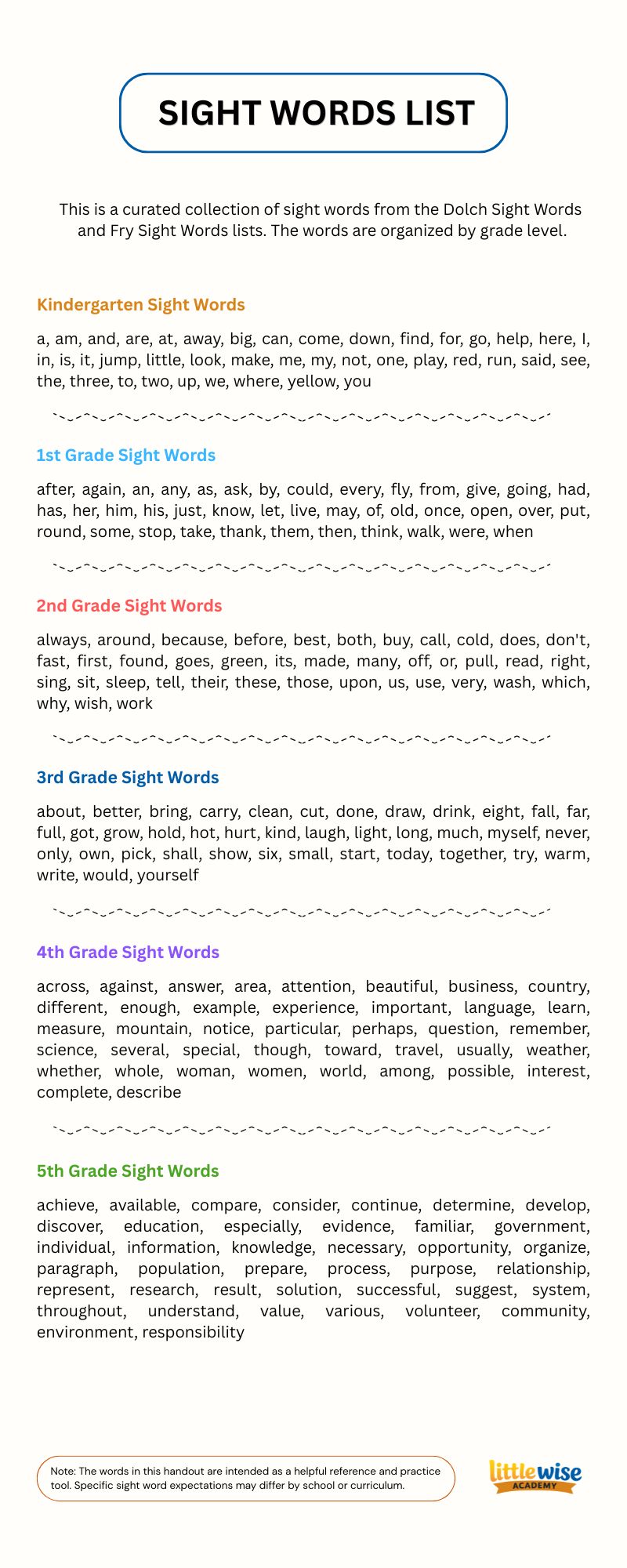
Sight words are an important part of learning to read. As you use the sight word lists in this guide, remember to keep your child’s practice sessions engaging.
Read books, play games, use flash cards, and try other hands-on activities. These varied learning experiences can all help reinforce sight words. Consistent practice and plenty of encouragement can help children continue making steady progress on their reading journey!
Curious about homeschooling? Learn how it works, its benefits and challenges, costs, and how to decide if learning at home is right for your family.

Help kids understand verbs with simple explanations and fun examples they’ll remember.

Want to help your child enjoy reading more? Try these easy ways to make story time more interactive, creative, and lovable.
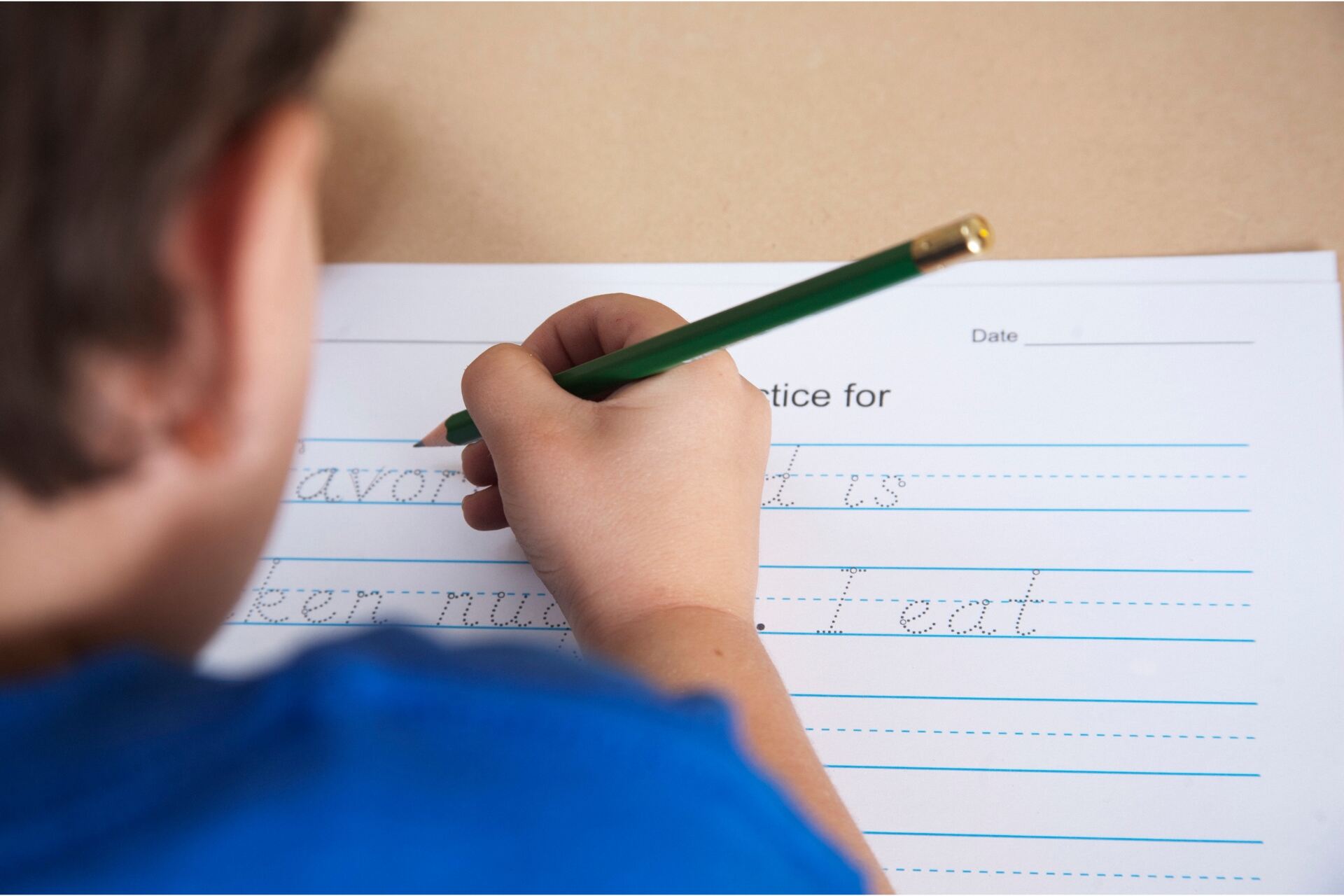
Help kids master capitalization with the M.I.N.T.S. rule, and other essential capitalization rules.
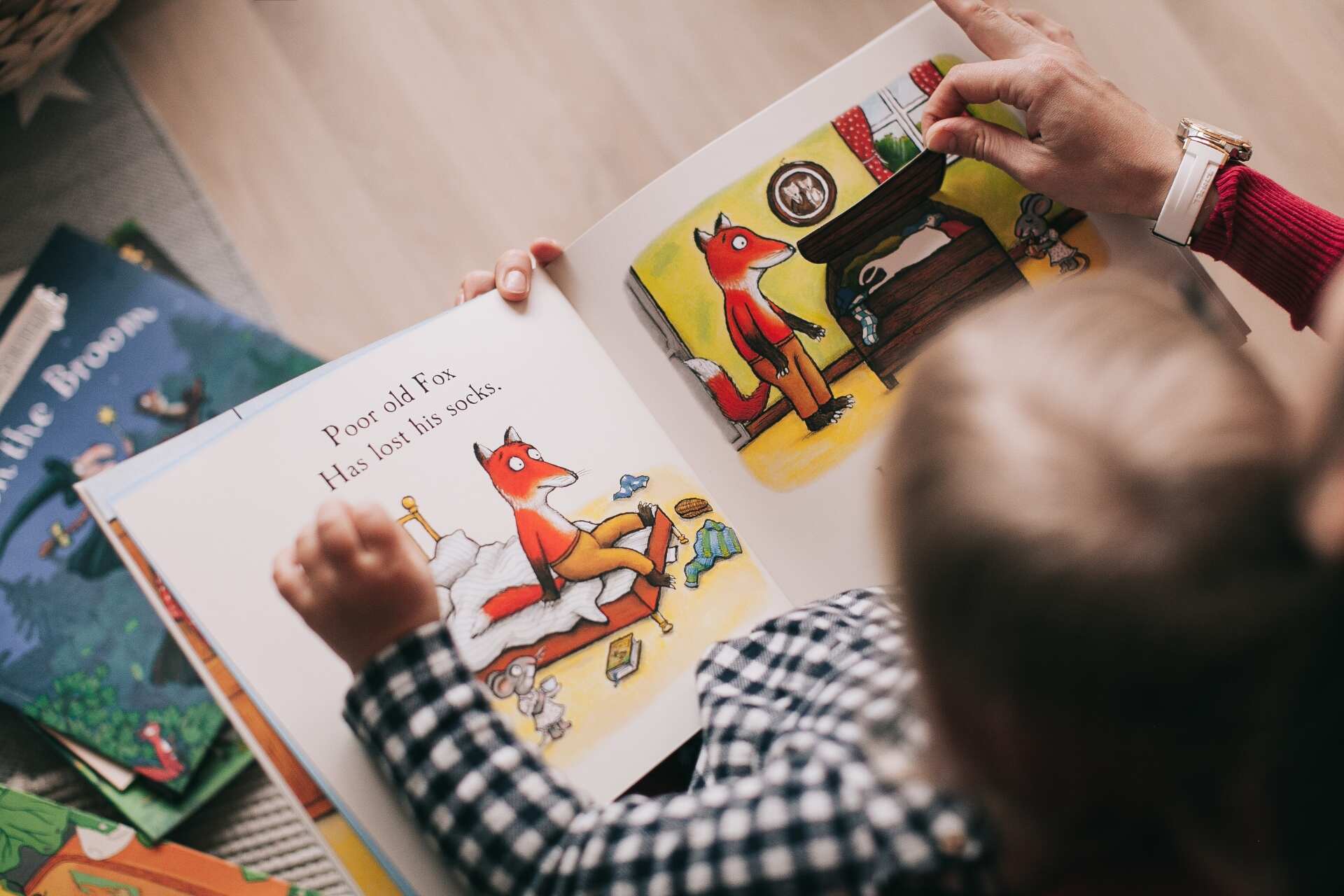
Help your child master nouns with easy explanations of common, proper, concrete, abstract, and other types of nouns, plus everyday examples.