

Curious about homeschooling? Learn how it works, its benefits and challenges, costs, and how to decide if learning at home is right for your family.
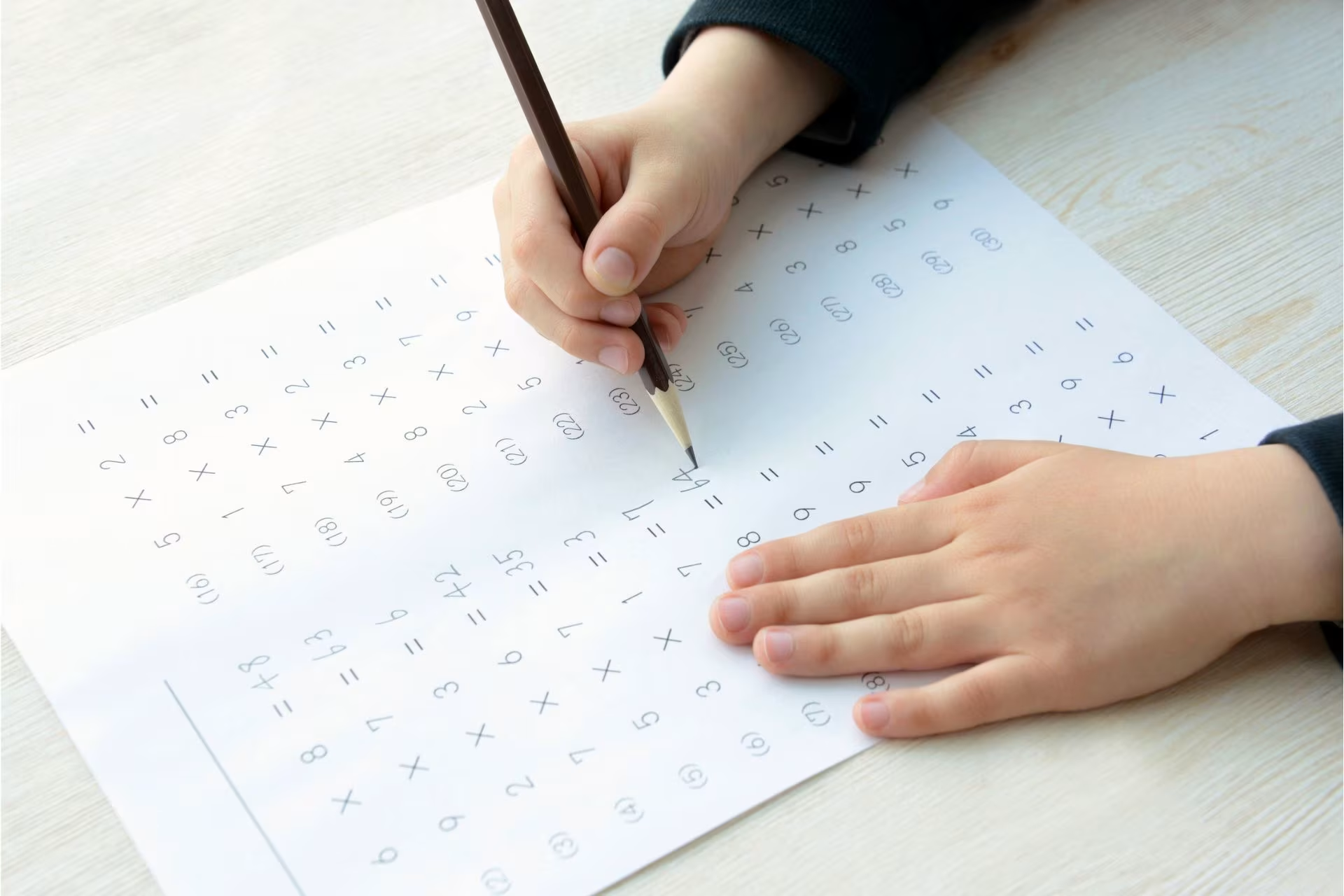
Multiplication and division are big milestones in a child’s math journey. These skills help kids solve problems more efficiently and understand how numbers work together. But when do kids usually learn them? And why do some kids find them tricky?
This article will show you what to expect at each grade level and why some children may struggle along the way. You’ll also find strategies for making math practice fun and effective at home.
Children are usually introduced to multiplication and division in second grade. They get more practice in third grade and solve more challenging problems in fourth grade.
Here’s how it typically progresses:
Students start to explore the ideas behind multiplication and division. They learn concepts like equal groups, repeated addition, and sharing objects evenly. They might not solve full equations yet, but they’re laying the groundwork by recognizing patterns and skip counting.
For example, a teacher might ask students to group 12 counters into sets of 3. The class would then count how many groups they made (4). This helps them see that 12 divided by 3 equals 4, or that 3 added four times equals 12.
This is when multiplication and division become a core focus. Kids learn their multiplication tables, work with fact families, and start solving both types of problems. By the end of third grade, most students are expected to recall basic facts.
For example, a student might learn that 6 × 4 = 24, so they also understand that 24 ÷ 6 = 4 and 24 ÷ 4 = 6. Practicing these fact families helps them see how multiplication and division are connected.
In fourth grade, students move beyond simple facts and begin applying multiplication and division to larger numbers, multi-step word problems, and real-life situations. They may also learn long division and explore how these operations connect with fractions and decimals.
For example, a student might solve a word problem like: A baker makes 6 trays of cookies, with 24 cookies on each tray. How many cookies did the baker make in total? They would multiply 6 × 24 to find the answer.
In another problem, they might be asked to divide 156 by 12 to figure out how many teams can be formed with an equal number of players. These kinds of problems help kids practice real-world thinking.
Some kids struggle with multiplication and division because they haven’t developed a strong number sense yet. They might not recognize patterns or understand how numbers relate. For example, 3 × 4 is the same as 4 + 4 + 4.
Others find it hard to memorize multiplication tables, especially if they don’t fully understand what the numbers mean. This can make math feel frustrating and slow.
A weak foundation in addition and skip counting can also make these skills harder to learn. If kids can’t quickly add or count by 2s, 5s, or 10s, they may fall behind. That’s why building basic math skills step by step is so important.
You don’t have to know all the answers to support your child’s math journey. Every day moments and short activities can go a long way! The key is to keep practice simple, consistent, and encouraging.
Before kids can confidently solve multiplication and division problems, they need to understand what these operations actually mean. Multiplication is all about equal groups or adding the same number again and again. Division is about splitting or sharing something into equal parts.
You don’t need special tools to teach math. Just use what’s already around the house. Everyday items like toys, snacks, or laundry can become fun teaching tools.
For example, you might group 12 blocks and ask, “If we divide these into 3 equal groups, how many blocks go in each group?” Or while putting away groceries, ask, “If we have 4 packs of juice and each pack has 6 boxes, how many juice boxes do we have altogether?”
Skip counting helps kids recognize number patterns and sets the stage for understanding multiplication. It’s a fun way to build fluency with numbers.
You can weave skip counting into daily routines. Count by 2s while sorting socks, by 5s when setting the table with forks, or by 10s as you tidy up toys! Turn it into a rhythm or chant while riding in the car or walking to school.
Repeating these patterns out loud helps kids see how numbers grow in groups, which makes multiplication feel more intuitive.
Hands-on learning turns abstract math into something kids can see, touch, and move. Here are some tried-and-true tools and activities that support hands-on math:
The more kids see math in action, the more it makes sense. Incorporate multiplication and division into everyday life. This helps them understand these concepts as useful tools, not just classroom topics. It helps them realize that math is all around them.
For example, imagine you’re packing lunches together. You might say, “We need 2 sandwiches per person, and there are 3 people. How many sandwiches do we need?” Your child can help count or group the sandwiches, reinforcing the idea of 2 × 3 = 6.
Then flip the situation later: “We made 6 sandwiches and each person gets 2. How many people can we feed?” (6 ÷ 2 = 3).
Practice doesn’t have to be boring! Games, apps, and worksheets can make learning multiplication and division fun and interactive, while reinforcing important skills.
Board games and card games like Multiplication War or Times Tables Bingo turn math facts into friendly competition. Even classic games like Uno can be adapted to practice skip counting or grouping.
Educational apps such as Prodigy, SplashLearn, and Times Tables Rock Stars turn math practice into an adventure, with rewards and levels that keep kids motivated. These apps adjust to your child’s skill level, so they get just the right amount of challenge.
Printable worksheets are great for extra practice and review. Look for ones with real-world word problems, visual models like arrays or number lines, and space for kids to draw or explain their thinking.
Kids learn best in short, focused bursts, especially when it comes to building math skills. Instead of long, tiring sessions, aim for 10 to 15 minutes a day of engaging practice.
Consistency is key. A few minutes of skip counting while brushing teeth, solving one or two word problems during snack time, or playing a quick math game after school can go a long way. These mini-sessions keep learning fresh!
Multiplication and division are major building blocks in your child’s math journey, but learning them doesn’t have to be a struggle. Whether you do skip counting while folding laundry, build arrays with LEGO bricks, or solve snack-time word problems, the goal is the same: help your child see that math is useful, doable, and even fun!
Most children begin memorizing multiplication facts in third grade. This is when multiplication becomes a major focus in the classroom. Students learn their times tables (usually from 1 through 10 or 12) and practice recalling them quickly and accurately.
Some schools introduce the basics as early as second grade, but third grade is when memorization is typically expected.
Children are usually expected to know their multiplication tables by age 8 to 9, depending on their school curriculum. However, every child learns at their own pace. Mastery may take longer, especially if they need more time to understand the concepts behind the numbers. Consistent practice and real-life application can help make memorization easier
Curious about homeschooling? Learn how it works, its benefits and challenges, costs, and how to decide if learning at home is right for your family.
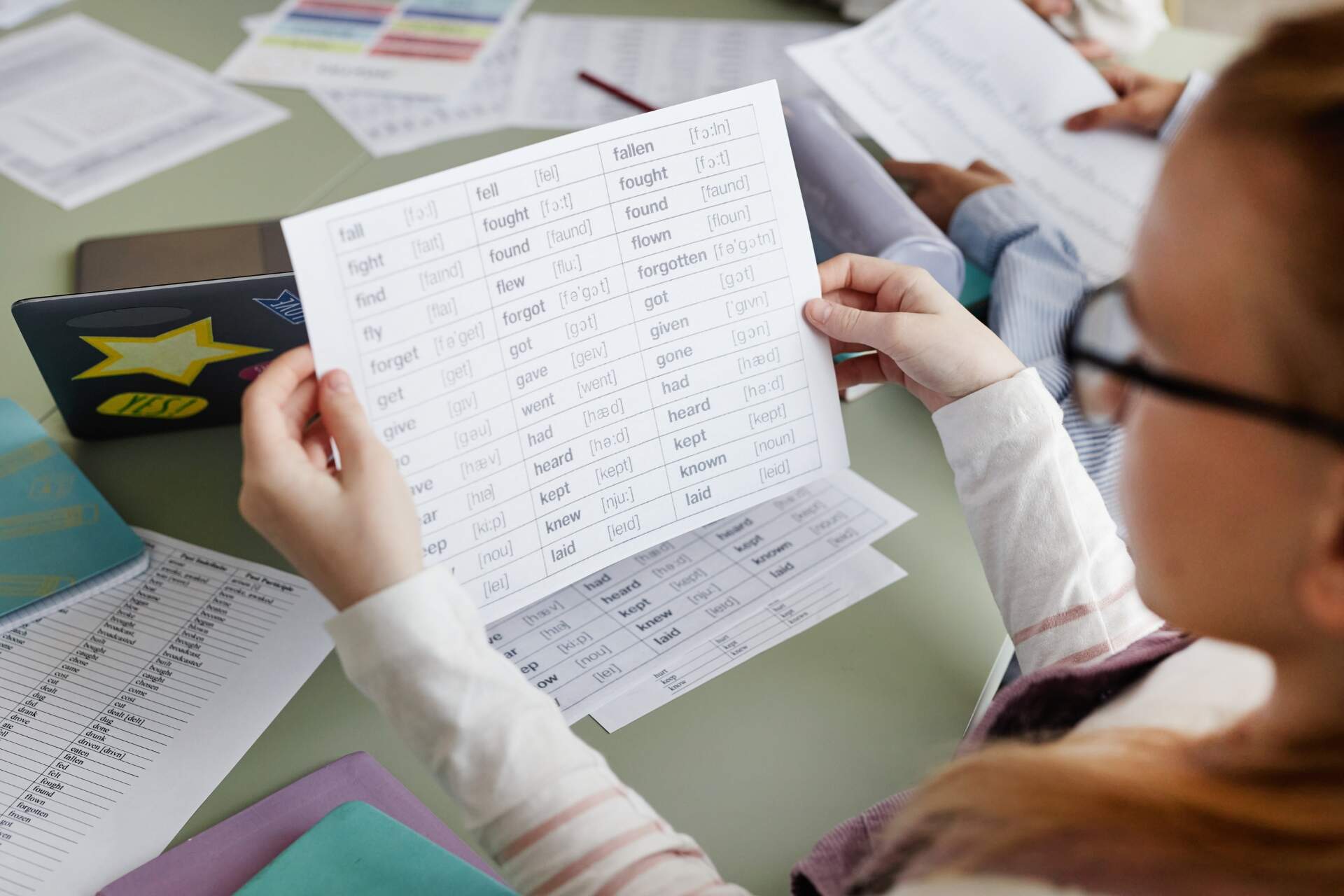
Help kids understand verbs with simple explanations and fun examples they’ll remember.
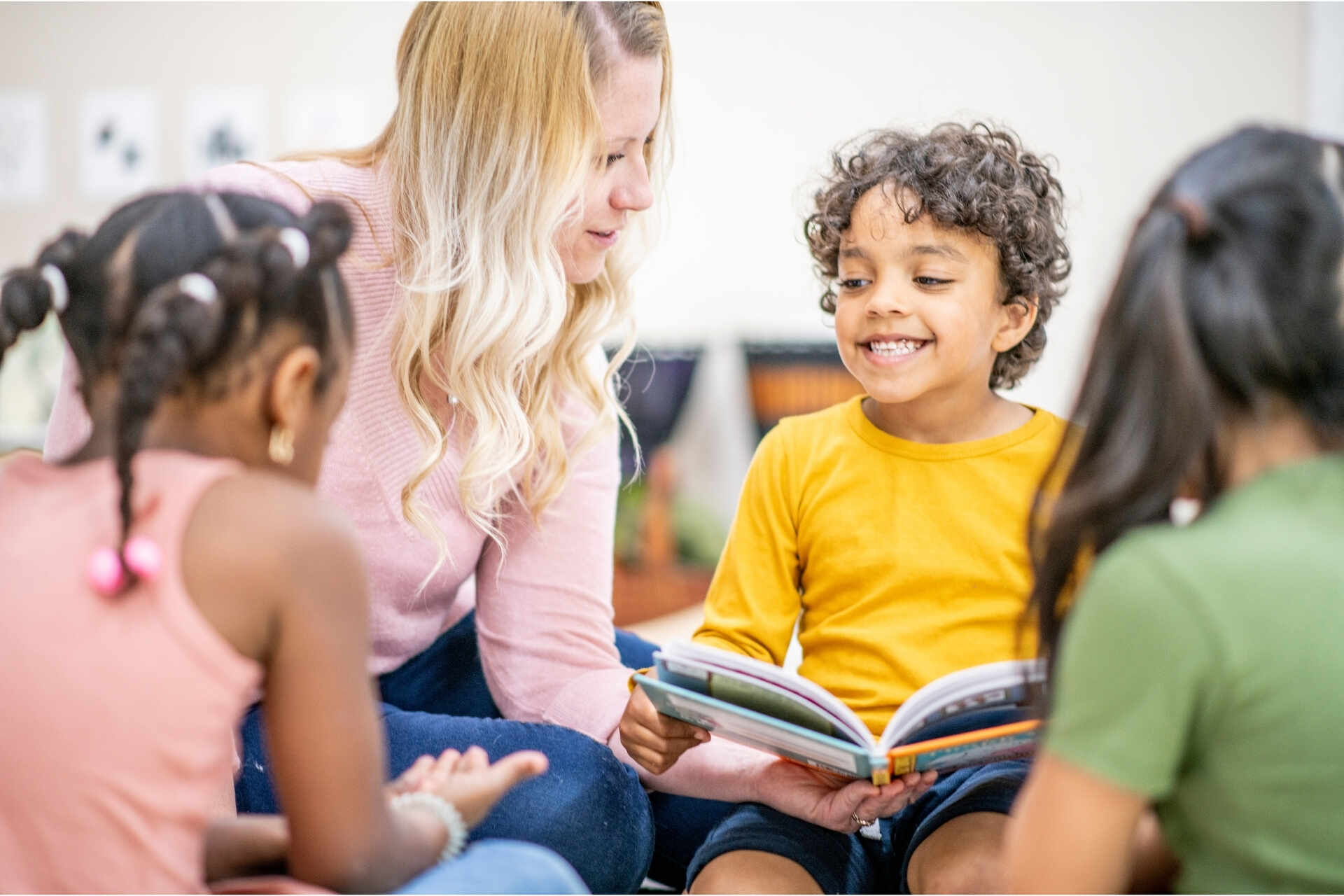
Want to help your child enjoy reading more? Try these easy ways to make story time more interactive, creative, and lovable.
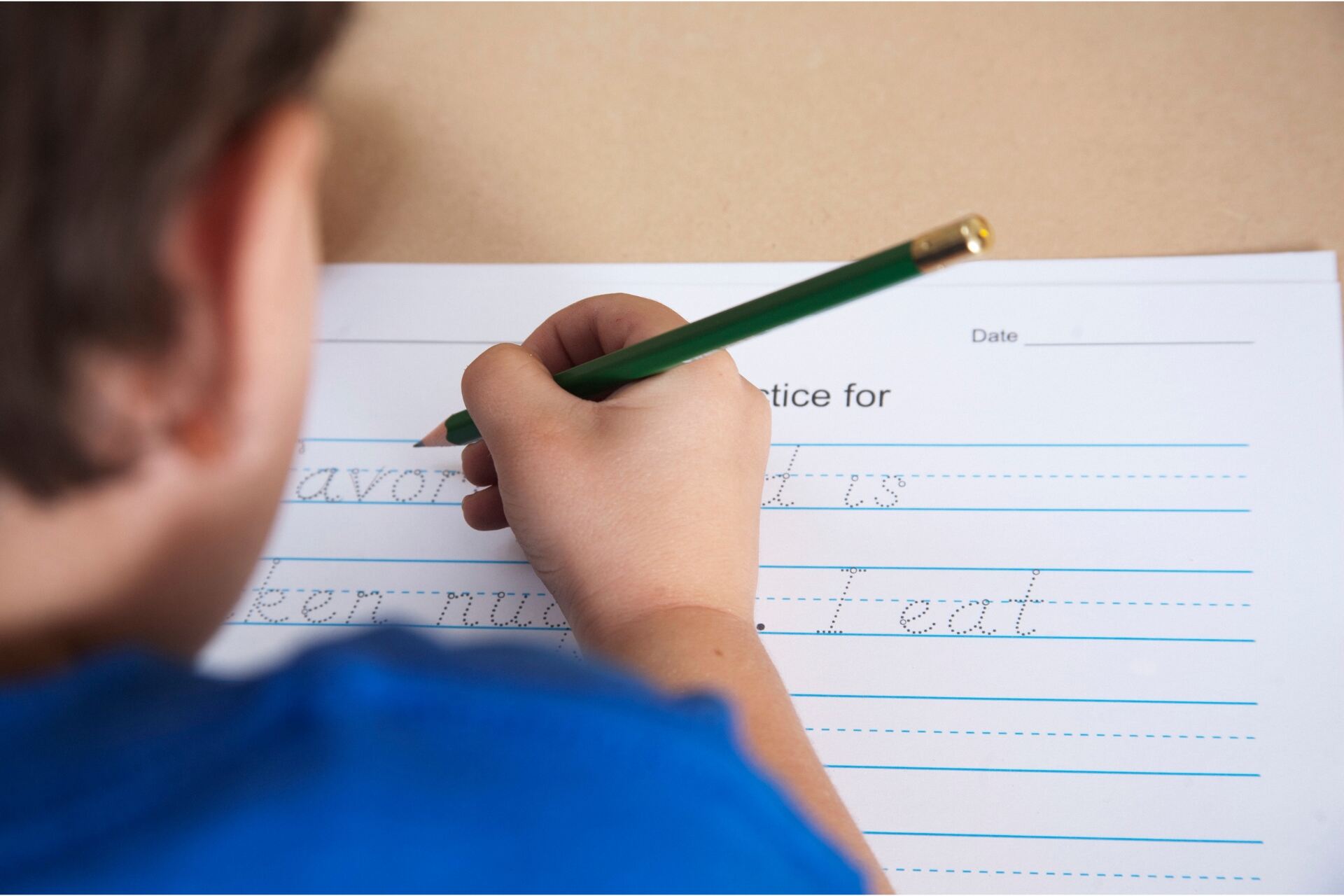
Help kids master capitalization with the M.I.N.T.S. rule, and other essential capitalization rules.
Help your child master nouns with easy explanations of common, proper, concrete, abstract, and other types of nouns, plus everyday examples.