Curious about homeschooling? Learn how it works, its benefits and challenges, costs, and how to decide if learning at home is right for your family.
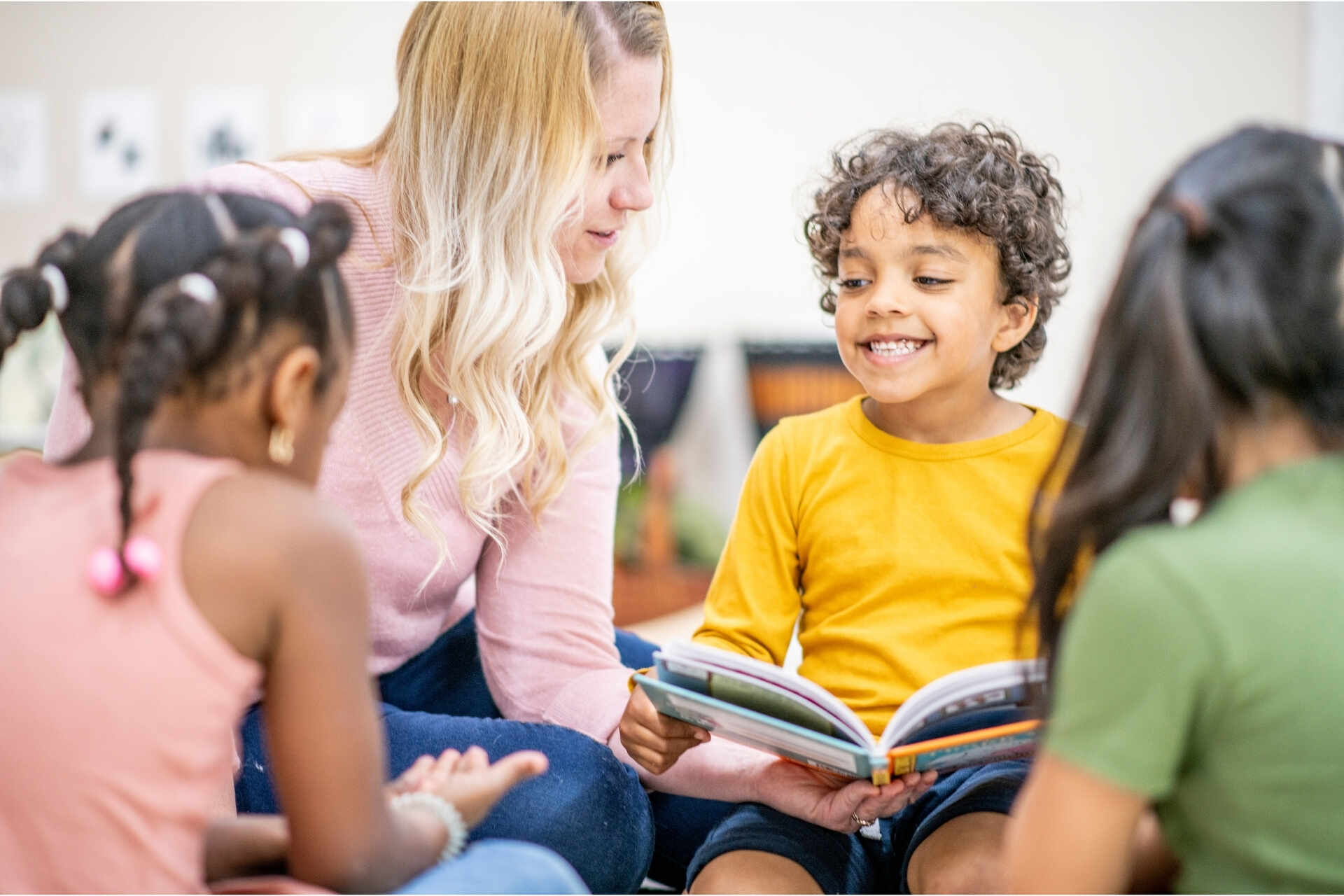
Reading is an important skill, and every child has their own interests and preferences when it comes to books. Some children naturally enjoy picking up a book and getting lost in a story, while others may become more interested when reading connects with the things they already love.
As parents, we also know that reading can be about more than building vocabulary or improving comprehension. It can be a wonderful way to spend quality time together.
And when kids enjoy an activity, they are more likely to look forward to doing it again. That is one reason we put together this list of simple ideas to help make reading more enjoyable at home. We hope they can give you some inspiration!
Instead of always choosing the book for them, take them to a bookstore or library and let them browse. Give them time to look at the covers, flip through the pages, and choose something that catches their attention.
Letting kids choose their own books also gives them a sense of independence. They get to explore their interests and feel that their opinions matter.
You may be surprised by what they pick! They might reach for a book about dinosaurs, funny animals, mysteries, sports, or a topic you never expected them to enjoy.
And remember, there is no need to worry if your child wants to read the same favorite book again and again. Familiar stories can be comforting, and rereading gives kids another chance to notice details and understand the story better.
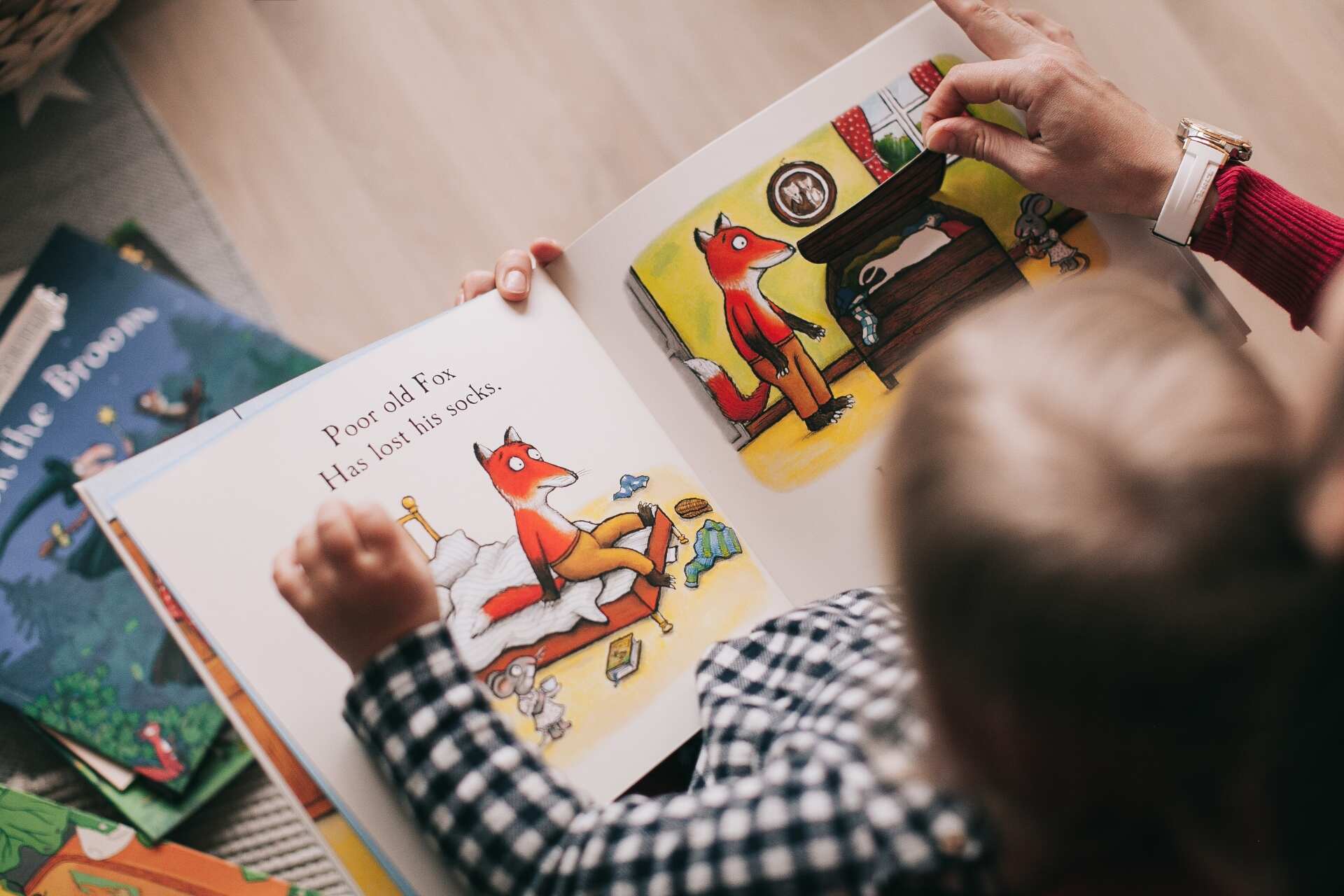
Reading together does not have to mean sitting quietly and simply moving from one page to the next. Talk about the story as you read it. Ask what your child thinks might happen next, talk about a character’s choices, or share what you notice about the story.
Research on interactive book-sharing suggests that this kind of shared reading can support children’s language development [*].
Sometimes, the best reading moments are the ones where you end up laughing or talking about the story long after you have closed the book. It becomes less about simply finishing a book and more about sharing a story with someone you love.
Try giving each character a different voice. Make the silly character extra silly, the tiny character squeaky, or the grumpy character deep and dramatic. You do not need to be a professional storyteller. Just have fun with it!
We saw this with our own son when we read his animal-themed books together. Whenever we came across a bird or a cow, we would imitate the sounds with him. “Tweet, tweet” for the bird and “moo” for the cow. We did it again and again without really thinking much of it.
Then one day, we were surprised when he saw a picture of a cow and made a little “moo” sound on his own. It was such a small moment, but it reminded us how much children can pick up through simple repetition.
Sometimes, children connect with a story even more when they get to step inside it. Invite your child to pretend to be a favorite character, act out a funny scene, or even make up what happens next.
You do not need costumes or a perfectly planned activity. A blanket can become a superhero cape, a pillow can become a mountain, and the living room can suddenly become the setting of an adventure.
And acting out a story does not have to mean copying something your child has seen in a movie or on television. Think about the stories and characters that already resonate with them. If they love a brave character, let them pretend to be the hero.
If they enjoy a silly character, encourage them to make up their own funny lines. You can even switch roles and let your child be the storyteller while you play the character.
These moments can be surprisingly meaningful. More importantly, you are joining them in their little world.
If your child is old enough, take a trip to the library and let them explore the shelves with you. Browse different sections, choose a few books each, and sit together to look through your picks. You can even make a small routine out of it by visiting on the same day each week or every few weeks.
You can do the same thing at home. Take turns choosing a book, read a few pages together, or let your child tell you about a book they have been enjoying. If they are reading independently, ask them about the story afterward — not as a test, but because you are genuinely interested in what they are reading.
A cozy reading nook can give books their own little place in your home. It does not need to be fancy. A soft cushion, a blanket, a small basket of books, and a comfortable corner may be all you need.
You could even let your child help decide where the reading spot should be and what goes in it. Maybe they love sitting beside a window, curling up with a stuffed animal, or having a special blanket nearby.
If a book talks about plants, take a walk and look at the plants around your neighborhood. If the story features animals, visit a zoo or farm if you have one nearby. A book about cooking could lead to making a simple recipe together.
These little connections show children that books are not separate from the world around them. We love those moments when something we read about suddenly appears in real life.
Sometimes, a few simple props can make an ordinary reading session feel more special.
Keep a small basket nearby with items your child can use while reading. Depending on the story, this could include toy animals, puppets, paper crowns, flashlights, blankets, or even homemade props.
For example, if you are reading about animals, your child could use toy animals to act out what is happening. If the story takes place at night, turn off the main lights and read with a flashlight. A story about a royal character might inspire a homemade crown made from paper.
Rhymes, rhythm, and repetition can add another layer of fun to reading. When a book has a repeated phrase or a predictable rhyme, pause and let your child finish it. You can clap along, tap your hands, or make up a simple tune for a repeated line.
For example, if a story keeps repeating a phrase like “Who is knocking at the door?” you can turn it into a little chant and pause before “door” so your child can say it.
You can do the same with rhyming words. Stretch out a line such as “The cat sat on the ___” and let your child fill in “mat.”
A little game can give children another reason to stay curious about a book. Before reading, choose something to look for together. Maybe you are searching for a particular animal, a certain color, or an object that keeps appearing throughout the story.
You can also play “What Happens Next?” Pause before an important part and let your child make a prediction. Afterward, see whether their guess was close.
Another simple idea is a book scavenger hunt. Give your child a few things to find as they read, such as a character who is feeling happy, a place where something surprising happens, or a word they have never seen before.
Here are some other simple book scavenger hunt ideas you can use:
Reading doesn’t always have to be a solo activity. If your child enjoys being with friends, a children’s book group can give them a chance to read, talk, and play together.
Check nearby libraries, schools, bookstores, or community centers to see what groups are available. If there is not a book club nearby, you can create a small one of your own. Invite a few friends or family members and choose a book that everyone can read!
As parents, we have found that some of our favorite reading moments are the little things we remember most — the funny part that made us both laugh or the moment they surprised us by remembering something from a book days later.
So try different ways to make reading fun. Let your child pick the books, visit the library, act out a favorite scene, play a simple game, or get comfortable in a cozy reading spot. You may find that reading slowly becomes something your child enjoys and looks forward to.
Wondering when your child might start reading independently? Learn more in this guide.
Curious about homeschooling? Learn how it works, its benefits and challenges, costs, and how to decide if learning at home is right for your family.
Help kids understand verbs with simple explanations and fun examples they’ll remember.
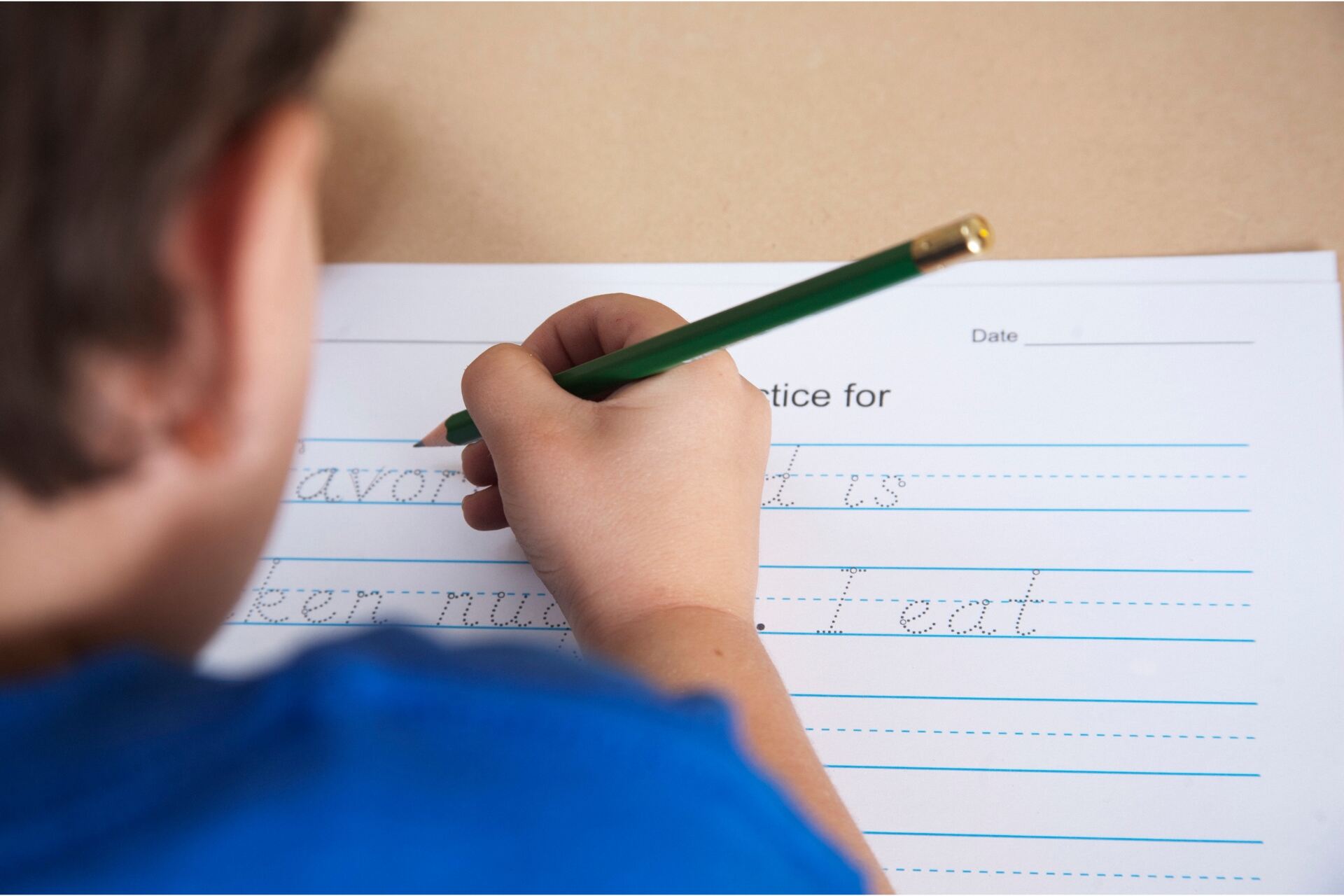
Help kids master capitalization with the M.I.N.T.S. rule, and other essential capitalization rules.
Help your child master nouns with easy explanations of common, proper, concrete, abstract, and other types of nouns, plus everyday examples.
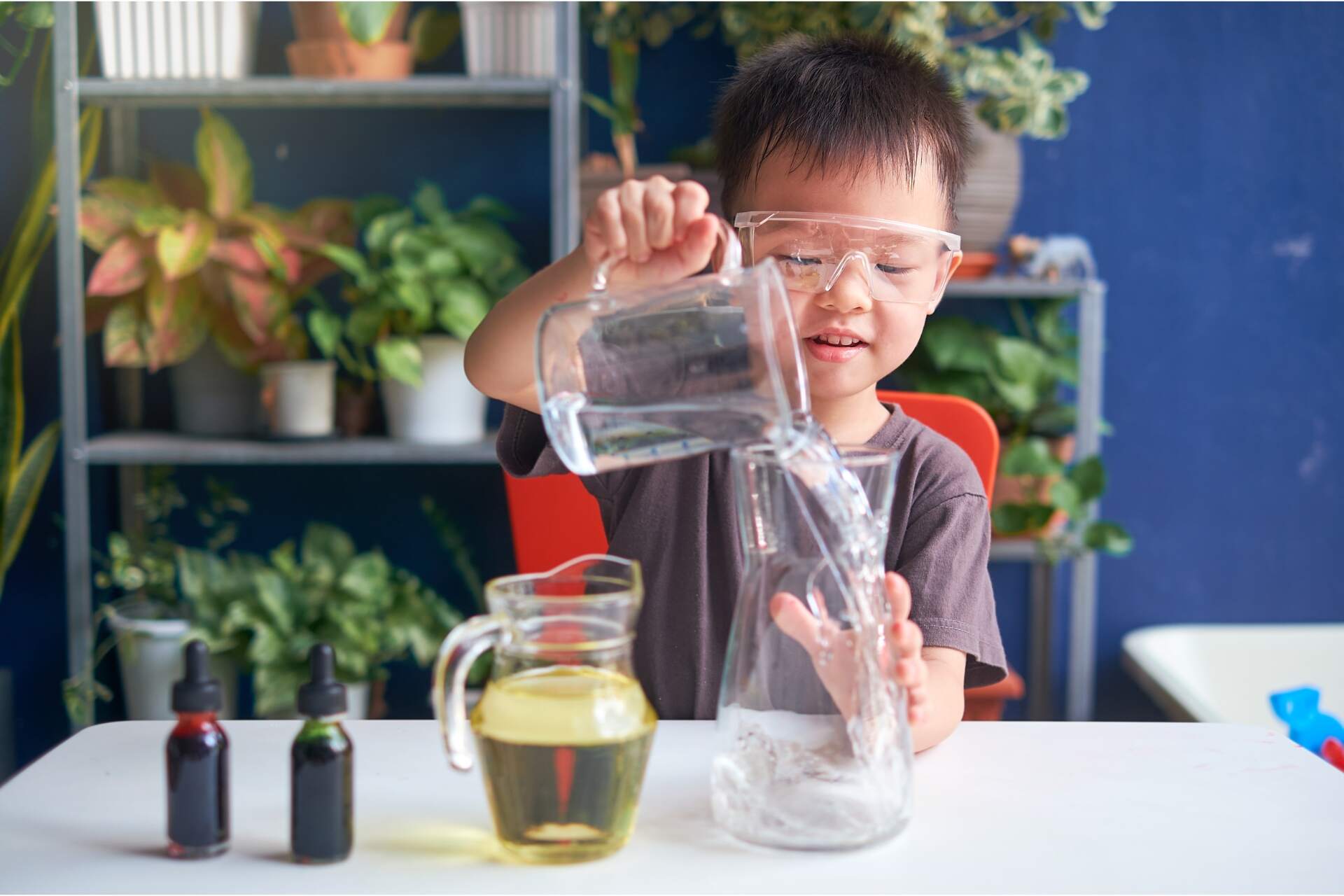
Learn how solids, liquids, and gases are different with simple explanations made for kids. This guide also includes a quick and fun experiment.