
Curious about homeschooling? Learn how it works, its benefits and challenges, costs, and how to decide if learning at home is right for your family.
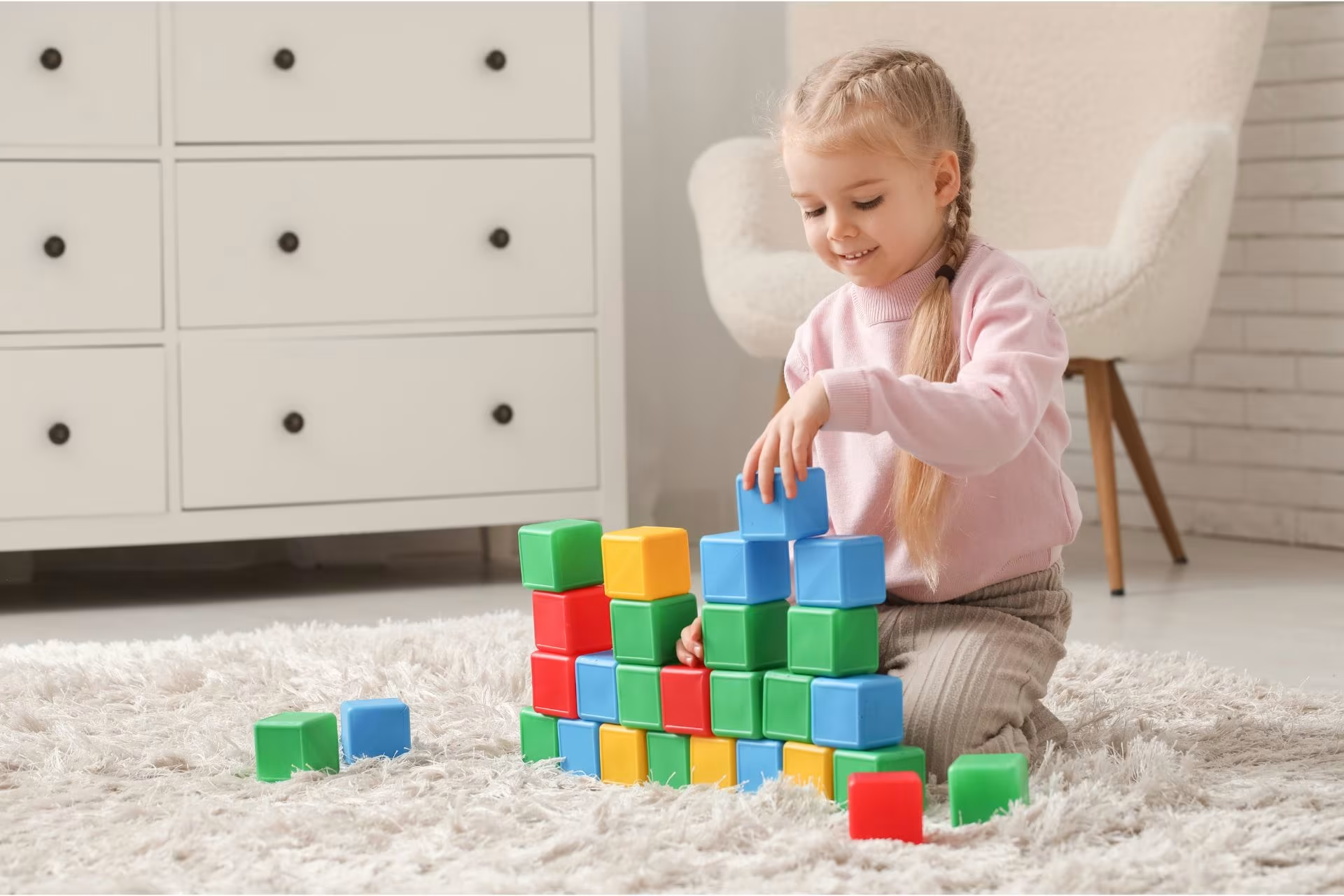
Many parents wonder, “What math skills should my child know by now?” The truth is, it’s not always easy to pinpoint the exact goals for each age or grade.
And here’s a surprise: math starts much earlier than most people think. Even babies begin learning math concepts when they notice patterns, differences in size, or the number of objects around them.
In this article, we’ll explore common math milestones from birth through high school. You’ll learn what children typically master at each stage, why those skills matter, and how to support their learning.
Each stage of childhood adds a new layer to what was previously learned. Below are typical milestones, starting with the very first signs of math in babies and moving to the complex problem-solving skills of high schoolers.
Math learning begins long before children can count or recognize numbers. During the first year of life, babies build important foundations by exploring the world around them through play, observation, and everyday interactions.
As toddlers become more mobile and begin using more words, they naturally explore early math concepts through play, observation, and routines at home. They may not understand numbers yet, but they’re developing important skills that prepare them for future learning.
The preschool years are a big leap in math learning. As children’s thinking and language skills grow, they start to connect numbers, shapes, and symbols to real-world experiences.
By kindergarten, children are ready to apply the math skills they’ve been building since infancy. They become more confident solving simple problems and recognizing patterns.
As children progress through the elementary grades, they move from basic number skills to more complex operations, including multiplication, division, place value, and data interpretation.
Grade 2 (Age 7–8) – Comparing numbers and building number sense
Grade 3 (Age 8–9) – Multiplication and division
Grade 4 (Age 9–10) – Multi-digit multiplication and division
By middle school, children move from concrete problem-solving to abstract thinking. Math becomes more about applying rules and reasoning than simply memorizing facts.
High school math prepares students for college, careers, and practical life decisions. It emphasizes problem-solving, critical thinking, and applying math in various contexts.
One of the easiest ways to build math skills is through games and puzzles. Fun math activities like counting games, shape-sorting, or matching help young kids learn without stress. As they get older, board games with money, strategy, or time (like Monopoly) can introduce bigger math ideas.
Math is also everywhere in daily life. Cooking, shopping, or planning a trip can all be mini math lessons. Measuring ingredients, comparing prices, or figuring out travel times shows kids how math works in the real world.
Apps and online tools can also give extra practice at home. Choices like Prodigy or Khan Academy Kids let children learn at their own pace. Choose activities that match your child’s age and interests so they stay excited to learn!
Math skills grow gradually, beginning in infancy and continuing into the teenage years. When you know what’s typical for each stage, you can better guide your child’s learning. Children progress at different speeds, and steady improvement is more important than racing ahead.
No. While there are general guidelines, every child develops differently. Some may master certain concepts earlier, while others need extra time.
If your child is ahead, keep them engaged with enrichment activities that deepen understanding. If they’re behind, focus on building strong foundational skills and offer extra support. Collaboration with teachers, tutoring, and patience can help them catch up.
Quality matters more than quantity. Even 10 to 15 minutes of engaging, age-appropriate math activities each day can reinforce important skills. Keep practice enjoyable and avoid turning it into a chore.
Curious about homeschooling? Learn how it works, its benefits and challenges, costs, and how to decide if learning at home is right for your family.

Help kids understand verbs with simple explanations and fun examples they’ll remember.

Want to help your child enjoy reading more? Try these easy ways to make story time more interactive, creative, and lovable.
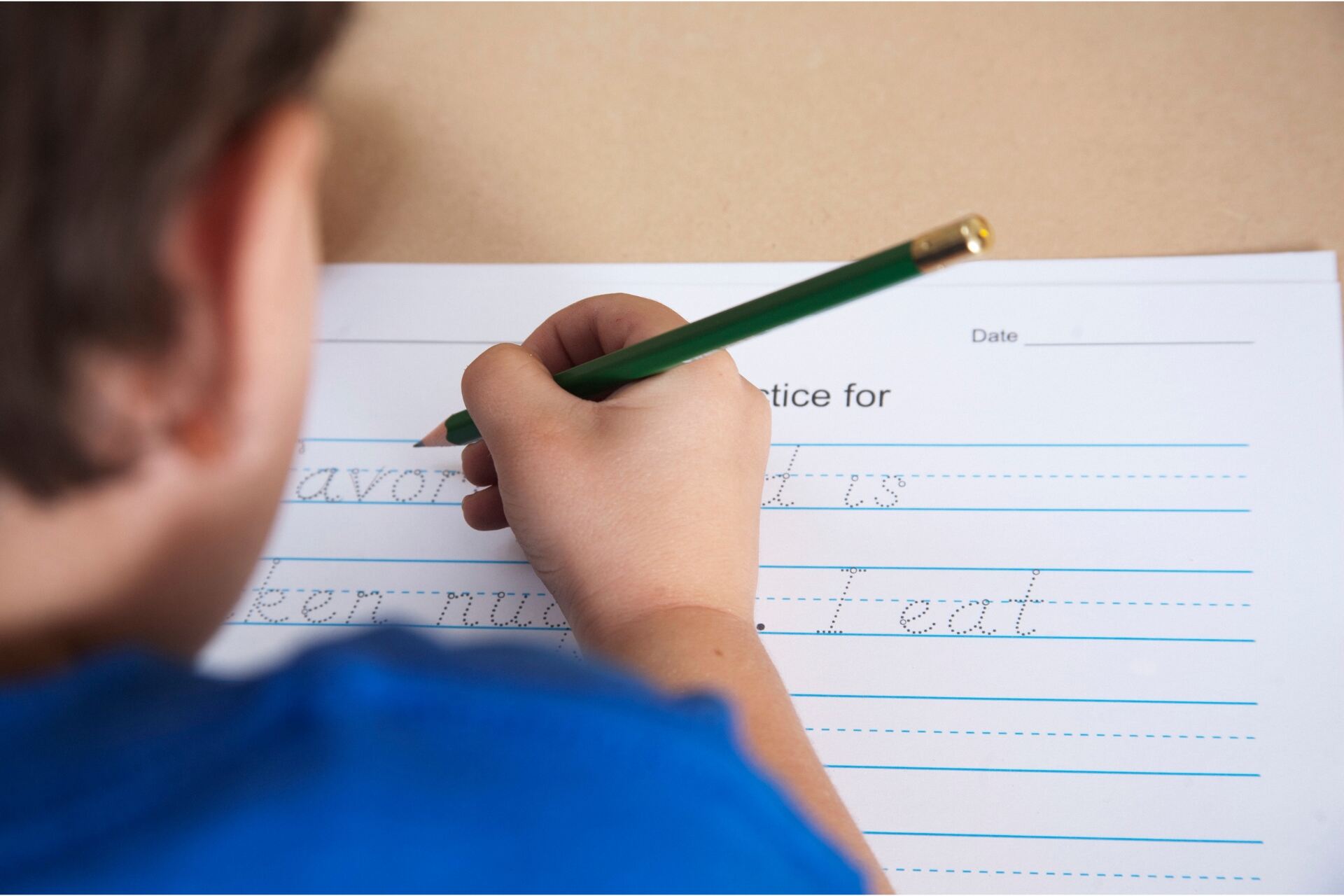
Help kids master capitalization with the M.I.N.T.S. rule, and other essential capitalization rules.
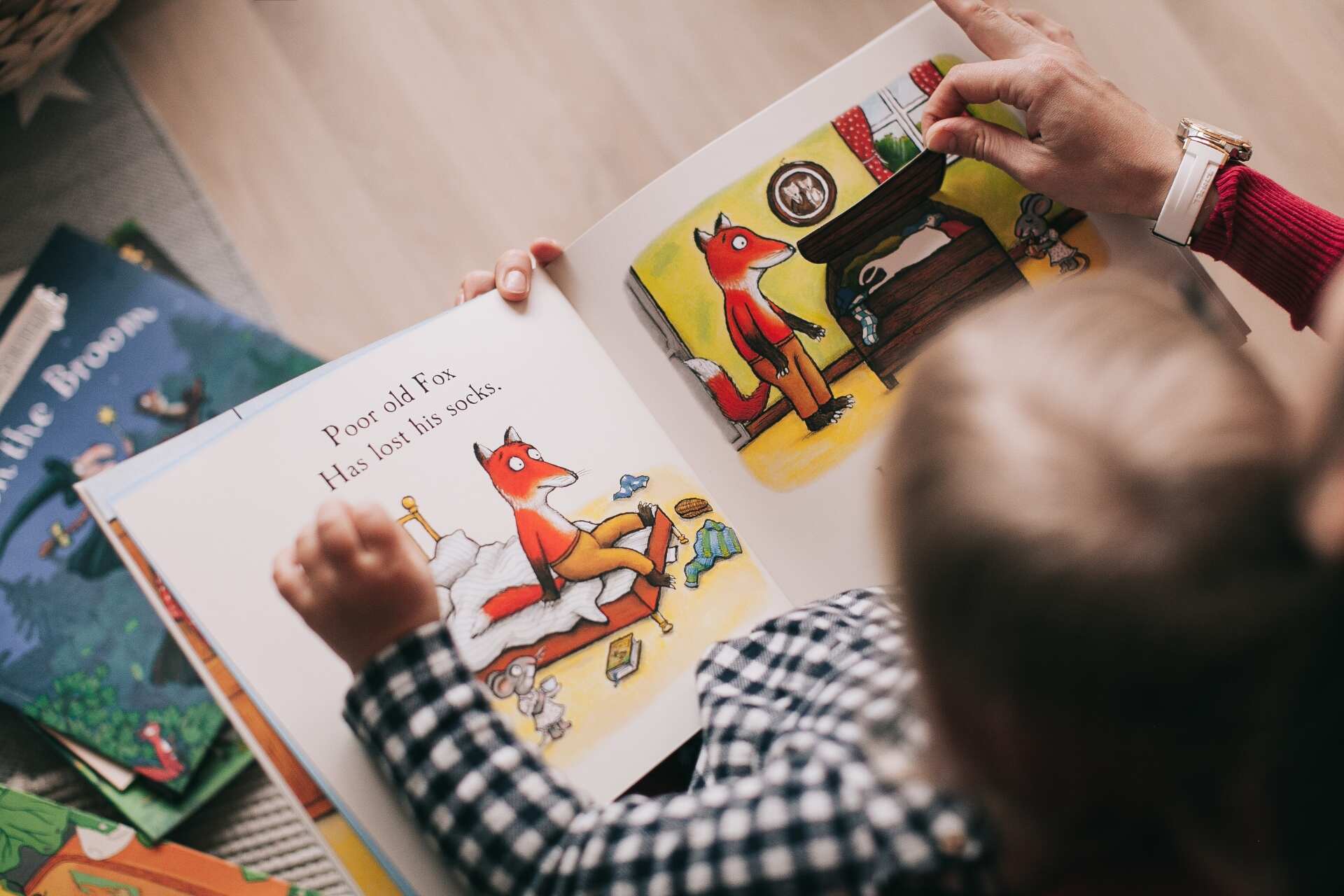
Help your child master nouns with easy explanations of common, proper, concrete, abstract, and other types of nouns, plus everyday examples.