

Curious about homeschooling? Learn how it works, its benefits and challenges, costs, and how to decide if learning at home is right for your family.

Math can feel challenging for kids, and many parents understand the struggle. When children turn to their parents for homework help, it can bring back memories of their own school days when tackling tough equations felt overwhelming.
The good news is, you don’t need to be a math whiz to help your child succeed.
With the right strategies and a bit of guidance, you can make learning math easier and more enjoyable for your child.
Incorporating math into daily activities helps your child see its real-world value. For example, while cooking, ask your child to help measure ingredients, or during grocery shopping, ask them to calculate the total cost of items.
Here are a few more ways to weave math into everyday life:
The key is to create a routine that helps your child focus.
Start with choosing a quiet spot in your home for math homework, like a desk, kitchen table, or a corner in the living room. Keep it tidy with all the supplies your child needs, such as pencils, paper, and a calculator.
Set a regular time each day for math, like 20-30 minutes after school or a snack break. Feel free to adjust the time based on your child’s age and attention span.
There are many online math resources and educational apps that can make practicing math more engaging. Interactive games, videos, digital worksheets, and quizzes give children extra opportunities to strengthen their skills.
Look for resources that match your child’s age and current math level. Many also provide instant feedback so that children to learn from their mistakes.
If you’re looking for ideas, you can explore educational websites and apps such as Khan Academy, or Prodigy for additional practice at home.
Mental math refers to performing mathematical calculations in your head without using any external tools like a calculator, pen, or paper. Strengthening your child’s mental math skills can help your child build confidence in the subject.
Here are some ways to practice mental math:
Big math problems can feel overwhelming, so help your child break them into smaller, more manageable steps. For example, if they’re solving 42 + 36, encourage them to add the tens first (40 + 30 = 70) and then the ones (2 + 6 = 8) before combining the results (70 + 8 = 78).
This makes it easier for your child to focus on one part at a time and build their problem-solving skills with each smaller step.
Turn playtime into a fun opportunity to practice math! Board games like Monopoly or card games like Uno can help your child practice counting, addition, subtraction, and strategy.
For example, when playing Monopoly, you can ask your child to calculate the total rent owed or add up their money at the end of the game. Math can be fun when it’s part of an enjoyable activity.
You can also incorporate math jokes to keep things lighthearted. For instance, tell a joke like, “Why was the equal sign so humble? Because it knew it wasn’t less than or greater than anyone else!”
If your child is consistently struggling with math, don’t hesitate to get additional support. Consider hiring a tutor, signing them up for online math programs, or working with their teacher to identify areas that need improvement.
Tutors can identify gaps in understanding and offer one-on-one attention, while online programs can provide interactive lessons and immediate feedback to help your child practice at their own pace.
While these resources are valuable, they also complement the math strategies parents can teach at home!
Supporting your child’s math education doesn’t require advanced math knowledge. Provide a consistent learning environment, make practice enjoyable, and offer help when needed. By doing these things, you’ll create positive learning experiences that encourage growth in math!
Curious about homeschooling? Learn how it works, its benefits and challenges, costs, and how to decide if learning at home is right for your family.

Help kids understand verbs with simple explanations and fun examples they’ll remember.

Want to help your child enjoy reading more? Try these easy ways to make story time more interactive, creative, and lovable.

Help kids master capitalization with the M.I.N.T.S. rule, and other essential capitalization rules.
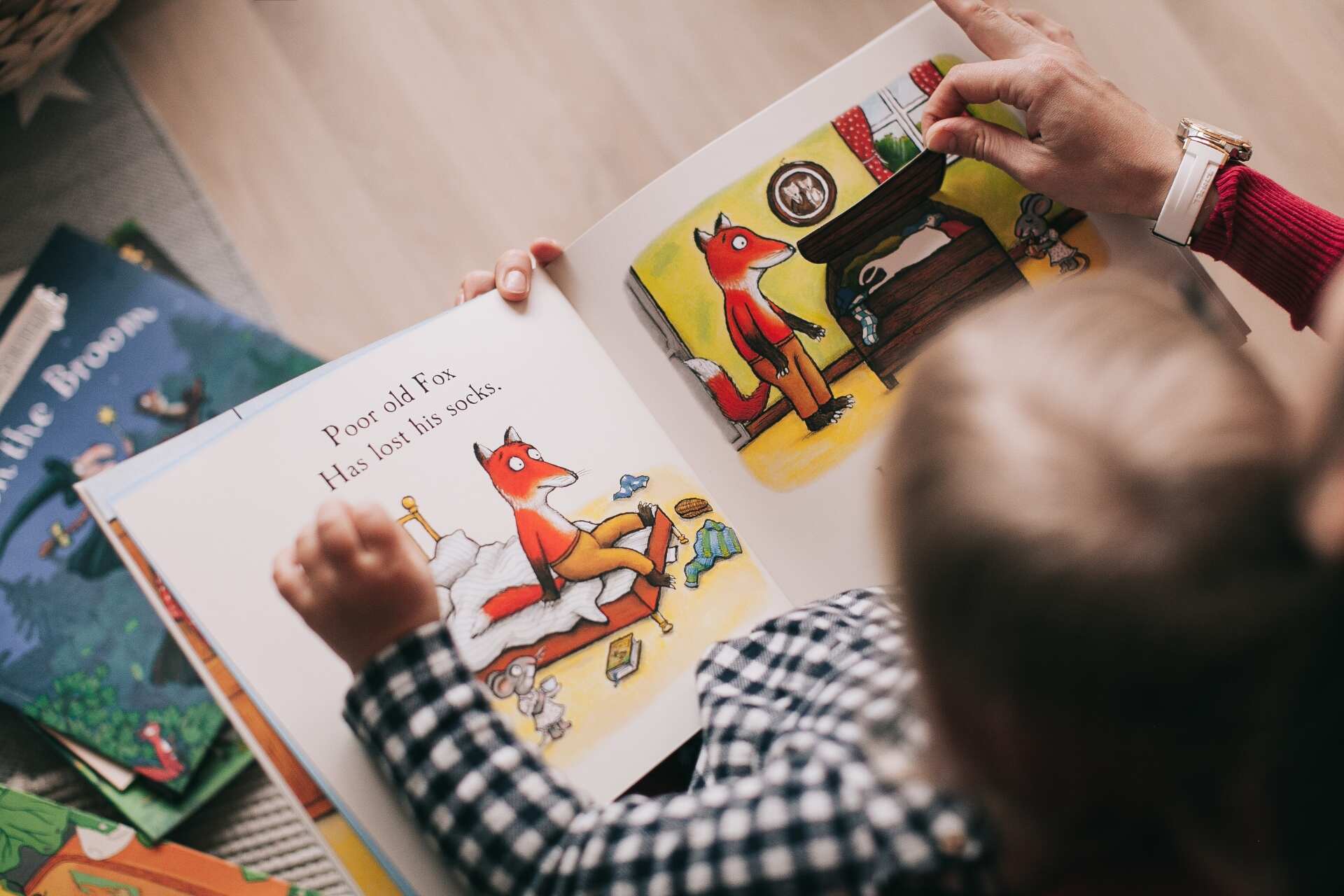
Help your child master nouns with easy explanations of common, proper, concrete, abstract, and other types of nouns, plus everyday examples.